
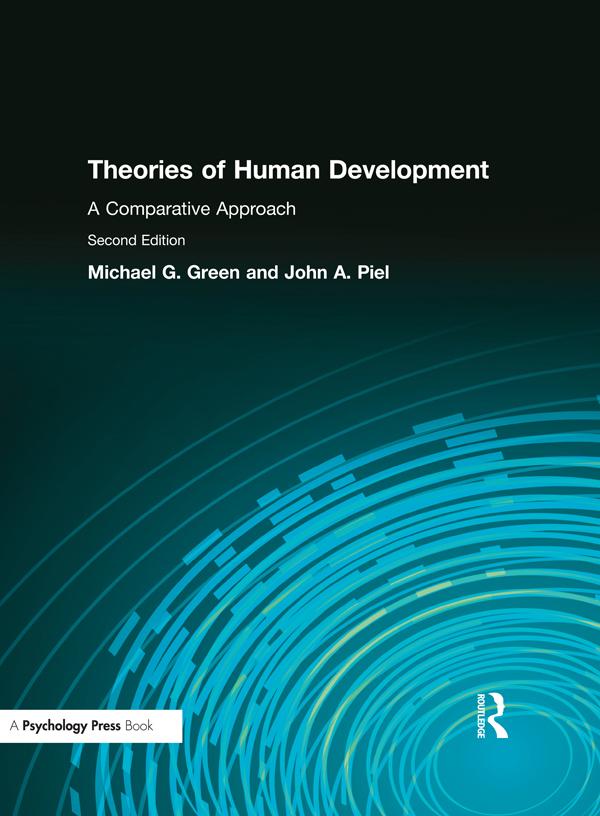
The authors have grouped the theories into three classical "families" which differ in their views relative to the prime motives underlying human nature. They show how theories are specific examples of more general points of view called paradigms. The theories chosen to represent the three paradigms (the Endogenous Paradigm, Exogenous Paradigm, and the Constructivist Paradigm) were selected because they met four criteria:
- importance, as judged by academic and research psychologists
- fertility, as judged by the amount of research the theory has generated
- scope, as judged by the variety of phenomena the various theories explain
- family resemblance, as judged by how well each theory represents its paradigm
The authors present the "paradigm case" in the lead chapter for each paradigm. This paradigm case is the "best example" for the paradigm. The authors explain why paradigm cases are important, and give them more detailed treatment than other theories in the same paradigm.
Paga fácilmente con tarjeta, Klarna, Apple Pay o Google Pay. ¿No estás contento? Siempre tienes 14 días de garantía de devolución. Lee más en nuestros términos. Si tienes preguntas, escríbenos a hello@memmo.org.
Memmo hace que estudiar sea más fácil, estés donde estés. Aquí tienes tus libros de texto y herramientas de estudio inteligentes en un solo lugar: resúmenes, quizzes, podcasts y flashcards. Y también a Ted, tu compañero de estudio que responde a todo lo que te preguntes. Más de 50 000 estudiantes ya estudian aquí. Está hecho para que aprendas más rápido y te estreses menos.