
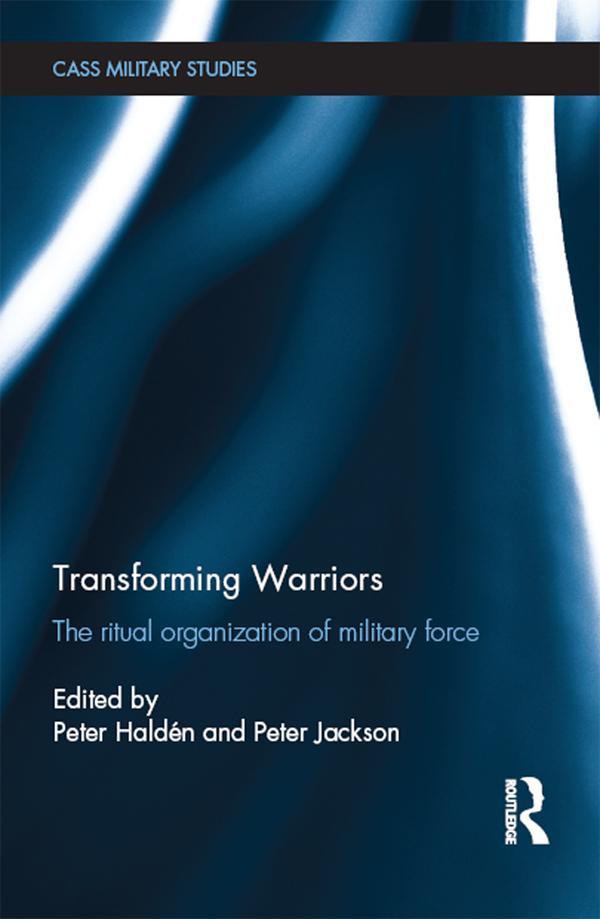
This volume offers an interdisciplinary study of how different cultures have sought to transform individuals into warriors.
War changes people, however a less explored question is how different societies want people to change as they are turned into warriors. When societies go to war they recognize that a boundary is being crossed. The participants are expected to do things that are otherwise prohibited, or at least governed by different rules. This edited volume analyses how different cultures have conceptualized the transformations of an individual passing from a peacetime to a wartime existence to become an active warrior. Despite their differences, all societies grapple with the same question: how much of the individual’s peace-self should be and can be retained in the state of war? The book explores cases such as the Nordic berserkers, the Japanese samurai, and European knights, as well as modern soldiers in Germany, Liberia, and Sweden. It shows that archaic and modern societies are more similar than we usually think: both kinds of societies use myths, symbols, and rituals to create warriors. Thus, this volume seeks to redefine theories of modernization and secularization. It shows that military organizations need to take myths, symbols, and rituals seriously in order to create effective units.
This book will be of much interest to students of military studies, war studies, sociology, religion, and international relations in general.
Paga fácilmente con tarjeta, Klarna, Apple Pay o Google Pay. ¿No estás contento? Siempre tienes 14 días de garantía de devolución. Lee más en nuestros términos. Si tienes preguntas, escríbenos a hello@memmo.org.
Memmo hace que estudiar sea más fácil, estés donde estés. Aquí tienes tus libros de texto y herramientas de estudio inteligentes en un solo lugar: resúmenes, quizzes, podcasts y flashcards. Y también a Ted, tu compañero de estudio que responde a todo lo que te preguntes. Más de 50 000 estudiantes ya estudian aquí. Está hecho para que aprendas más rápido y te estreses menos.