
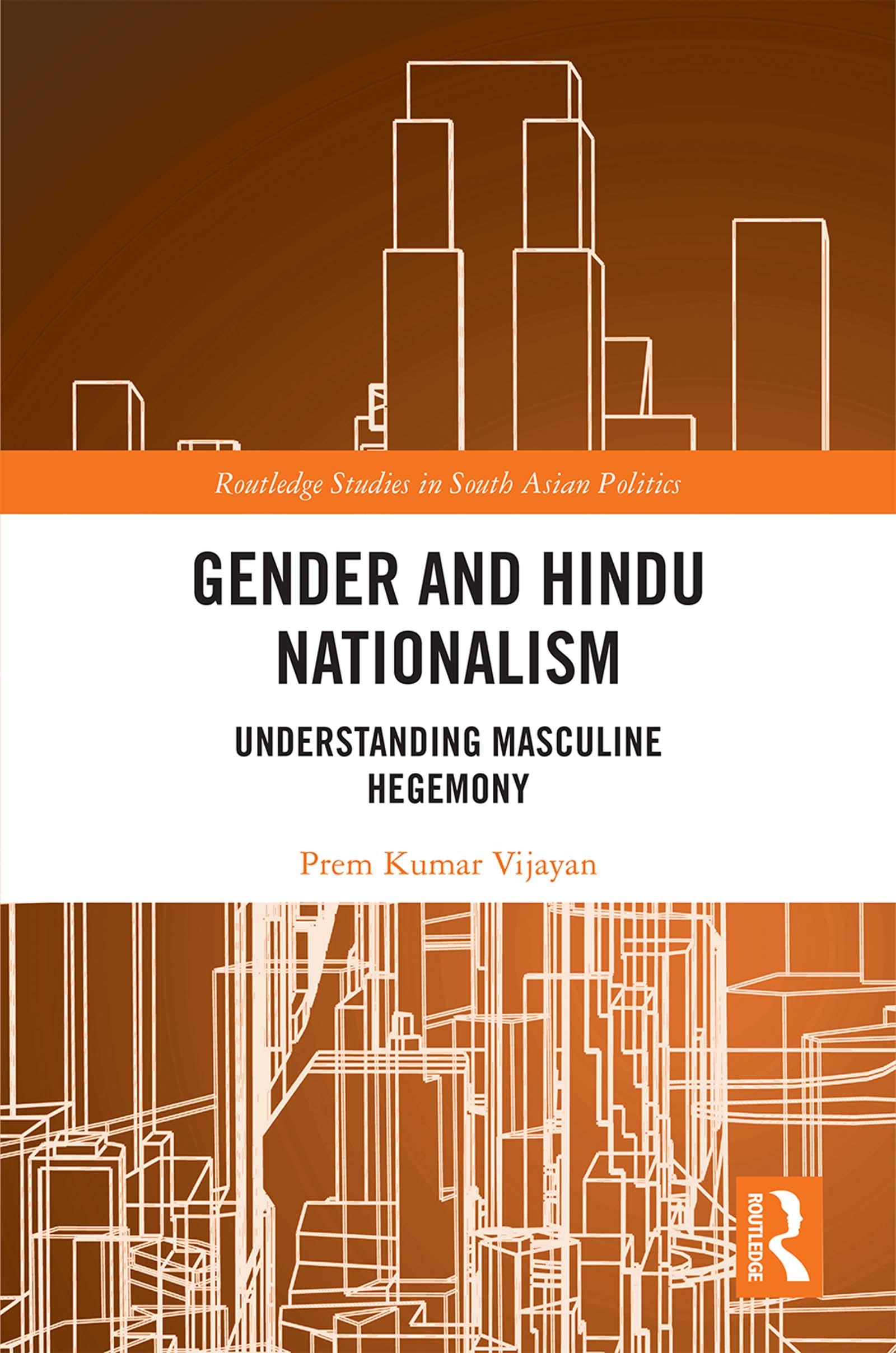
This book presents an innovative approach to gender, nationalism, and the relations between them, and analyses the broader social base of Hindu nationalist organisation to understand the growth of 'Hindutva', or Hindu nationalism, in India.
Arguing that Hindu nationalist thought and predilections emerge out of, and, in turn, feed, pre-existing gendered tendencies, the author presents the new concept of 'masculine hegemony', specifically Brahmanical masculine hegemony. The book offers a historical overview of the processes that converge in the making of the identity ‘Hindu’, in the making of the religion ‘Hinduism’, and in the shaping of the movement known as ‘Hindutva’. The impact of colonialism, social reform, and caste movements is explored, as is the role of key figures such as Mohandas Gandhi, Indira Gandhi, and Narendra Modi. The book sheds light on the close, yet uneasy, relations that Hindu nationalist thought and practice have with conceptions of 'modernity', 'development' and women's movements, and politics, and the future of Hindu nationalism in India.
A new approach to the study of Hindu nationalism, this book offers a theoretically innovative understanding of Indian history and socio-politics. It will be of interest to academics working in the field of Gender studies and Asian Studies, in particular South Asian history and politics.
Paga fácilmente con tarjeta, Klarna, Apple Pay o Google Pay. ¿No estás contento? Siempre tienes 14 días de garantía de devolución. Lee más en nuestros términos. Si tienes preguntas, escríbenos a hello@memmo.org.
Memmo hace que estudiar sea más fácil, estés donde estés. Aquí tienes tus libros de texto y herramientas de estudio inteligentes en un solo lugar: resúmenes, quizzes, podcasts y flashcards. Y también a Ted, tu compañero de estudio que responde a todo lo que te preguntes. Más de 50 000 estudiantes ya estudian aquí. Está hecho para que aprendas más rápido y te estreses menos.