
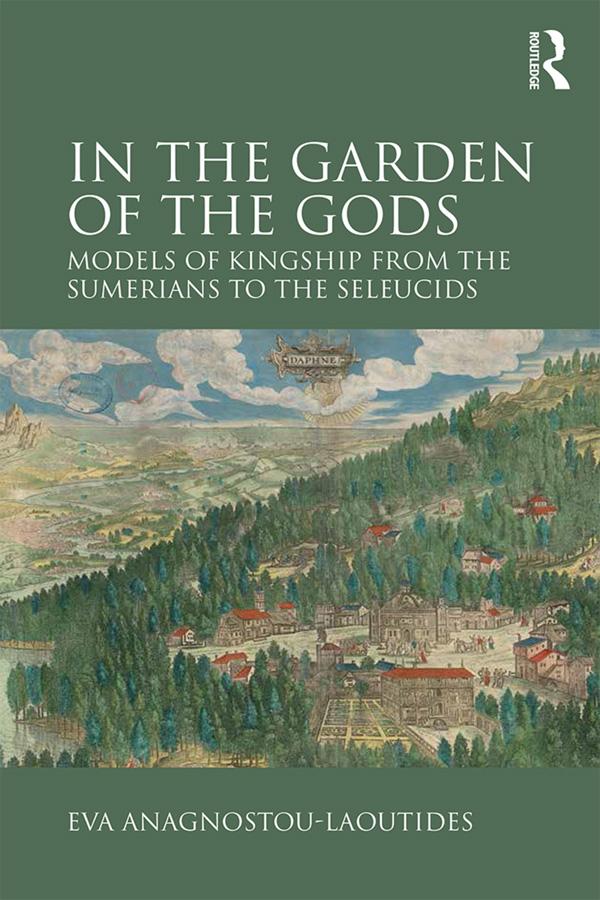
Examining the evolution of kingship in the Ancient Near East from the time of the Sumerians to the rise of the Seleucids in Babylon, this book argues that the Sumerian emphasis on the divine favour that the fertility goddess and the Sun god bestowed upon the king should be understood metaphorically from the start and that these metaphors survived in later historical periods, through popular literature including the Epic of Gilgameš and the Enuma Eliš. The author’s research shows that from the earliest times Near Eastern kings and their scribes adapted these metaphors to promote royal legitimacy in accordance with legendary exempla that highlighted the role of the king as the establisher of order and civilization. As another Gilgameš and, later, as a pious servant of Marduk, the king renewed divine favour for his subjects, enabling them to share the 'Garden of the Gods'. Seleucus and Antiochus found these cultural ideas, as they had evolved in the first millennium BCE, extremely useful in their efforts to establish their dynasty at Babylon. Far from playing down cultural differences, the book considers the ideological agendas of ancient Near Eastern empires as having been shaped mainly by class — rather than race-minded elites.
Paga fácilmente con tarjeta, Klarna, Apple Pay o Google Pay. ¿No estás contento? Siempre tienes 14 días de garantía de devolución. Lee más en nuestros términos. Si tienes preguntas, escríbenos a hello@memmo.org.
Memmo hace que estudiar sea más fácil, estés donde estés. Aquí tienes tus libros de texto y herramientas de estudio inteligentes en un solo lugar: resúmenes, quizzes, podcasts y flashcards. Y también a Ted, tu compañero de estudio que responde a todo lo que te preguntes. Más de 50 000 estudiantes ya estudian aquí. Está hecho para que aprendas más rápido y te estreses menos.