
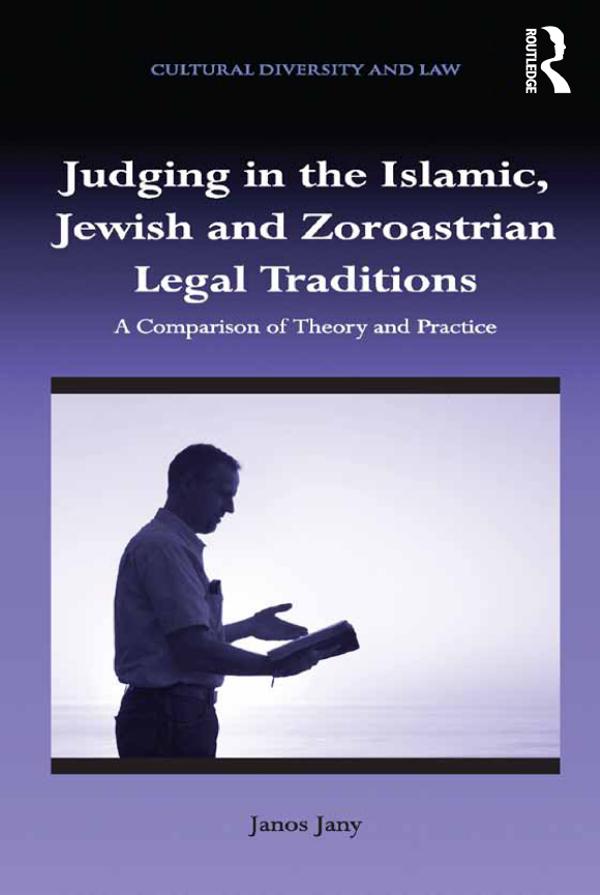
This book presents a comparative analysis of the judiciary in the Islamic, Jewish and Zoroastrian legal systems. It compares postulations of legal theory to legal practice in order to show that social practice can diverge significantly from religious and legal principles. It thus provides a greater understanding of the real functions of religion in these legal systems, regardless of the dogmatic positions of the religions themselves. The judiciary is the focus of the study as it is the judge who is obliged to administer to legal texts while having to consider social realities being sometimes at variance with religious ethics and legal rules deriving from them. This book fills a gap in the literature examining Islamic, Jewish and Zoroastrian law and as such will open new possibilities for further studies in the field of comparative law. It will be a valuable resource for those working in the areas of comparative law, law and religion, law and society, and legal anthropology.
Paga fácilmente con tarjeta, Klarna, Apple Pay o Google Pay. ¿No estás contento? Siempre tienes 14 días de garantía de devolución. Lee más en nuestros términos. Si tienes preguntas, escríbenos a hello@memmo.org.
Memmo hace que estudiar sea más fácil, estés donde estés. Aquí tienes tus libros de texto y herramientas de estudio inteligentes en un solo lugar: resúmenes, quizzes, podcasts y flashcards. Y también a Ted, tu compañero de estudio que responde a todo lo que te preguntes. Más de 50 000 estudiantes ya estudian aquí. Está hecho para que aprendas más rápido y te estreses menos.
También te podría gustar
Comprar el libro0