
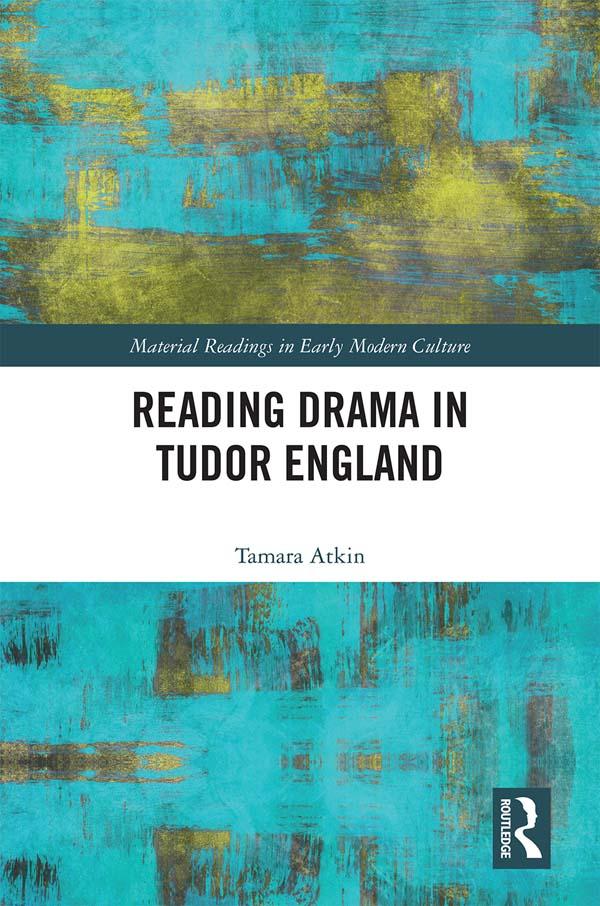
Reading Drama in Tudor England is about the print invention of drama as a category of text designed for readerly consumption. Arguing that plays were made legible by the printed paratexts that accompanied them, it shows that by the middle of the sixteenth century it was possible to market a play for leisure-time reading. Offering a detailed analysis of such features as title-pages, character lists, and other paratextual front matter, it suggests that even before the establishment of successful permanent playhouses, playbooks adopted recognisable conventions that not only announced their categorical status and genre but also suggested appropriate forms of use. As well as a survey of implied reading practices, this study is also about the historical owners and readers of plays. Examining the marks of use that survive in copies of early printed plays, it explores the habits of compilation and annotation that reflect the striking and often unpredictable uses to which early owners subjected their playbooks.
Paga fácilmente con tarjeta, Klarna, Apple Pay o Google Pay. ¿No estás contento? Siempre tienes 14 días de garantía de devolución. Lee más en nuestros términos. Si tienes preguntas, escríbenos a hello@memmo.org.
Memmo hace que estudiar sea más fácil, estés donde estés. Aquí tienes tus libros de texto y herramientas de estudio inteligentes en un solo lugar: resúmenes, quizzes, podcasts y flashcards. Y también a Ted, tu compañero de estudio que responde a todo lo que te preguntes. Más de 50 000 estudiantes ya estudian aquí. Está hecho para que aprendas más rápido y te estreses menos.