
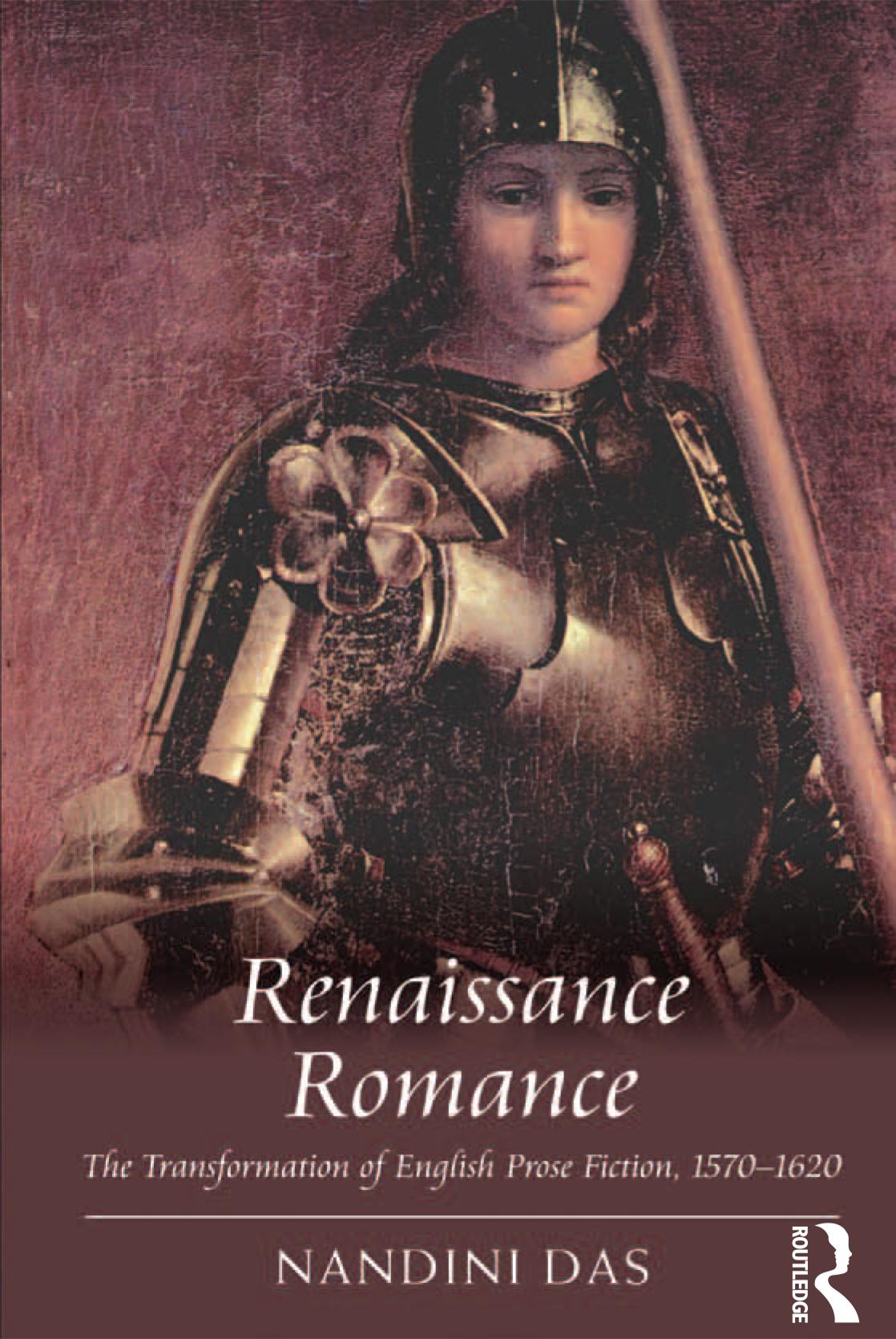
Romance was criticized for its perceived immorality throughout the Renaissance, and even enthusiasts were often forced to acknowledge the shortcomings of its dated narrative conventions. Yet despite that general condemnation, the striking growth in English fiction in the late sixteenth and early seventeenth centuries is marked by writers who persisted in using this much-maligned narrative form. In Renaissance Romance, Nandini Das examines why the fears and expectations surrounding the old genre of romance resonated with successive new generations at this particular historical juncture. Across a range of texts in which romance was adopted by the court, by popular print and by women, Das shows how the process of realignment and transformation through which the new prose fiction took shape was driven by a generational consciousness that was always inherent in romance. In the fiction produced by writers such as Sir Philip Sidney, Robert Greene and Lady Mary Wroth, the transformative interaction of romance with other emergent forms, from the court masque to cartography, was determined by specific configurations of social groups, drawn along the lines of generational difference. What emerged as a result of that interaction radically changed the possibilities of fiction in the period.
Paga fácilmente con tarjeta, Klarna, Apple Pay o Google Pay. ¿No estás contento? Siempre tienes 14 días de garantía de devolución. Lee más en nuestros términos. Si tienes preguntas, escríbenos a hello@memmo.org.
Memmo hace que estudiar sea más fácil, estés donde estés. Aquí tienes tus libros de texto y herramientas de estudio inteligentes en un solo lugar: resúmenes, quizzes, podcasts y flashcards. Y también a Ted, tu compañero de estudio que responde a todo lo que te preguntes. Más de 50 000 estudiantes ya estudian aquí. Está hecho para que aprendas más rápido y te estreses menos.
También te podría gustar
Comprar el libro0