
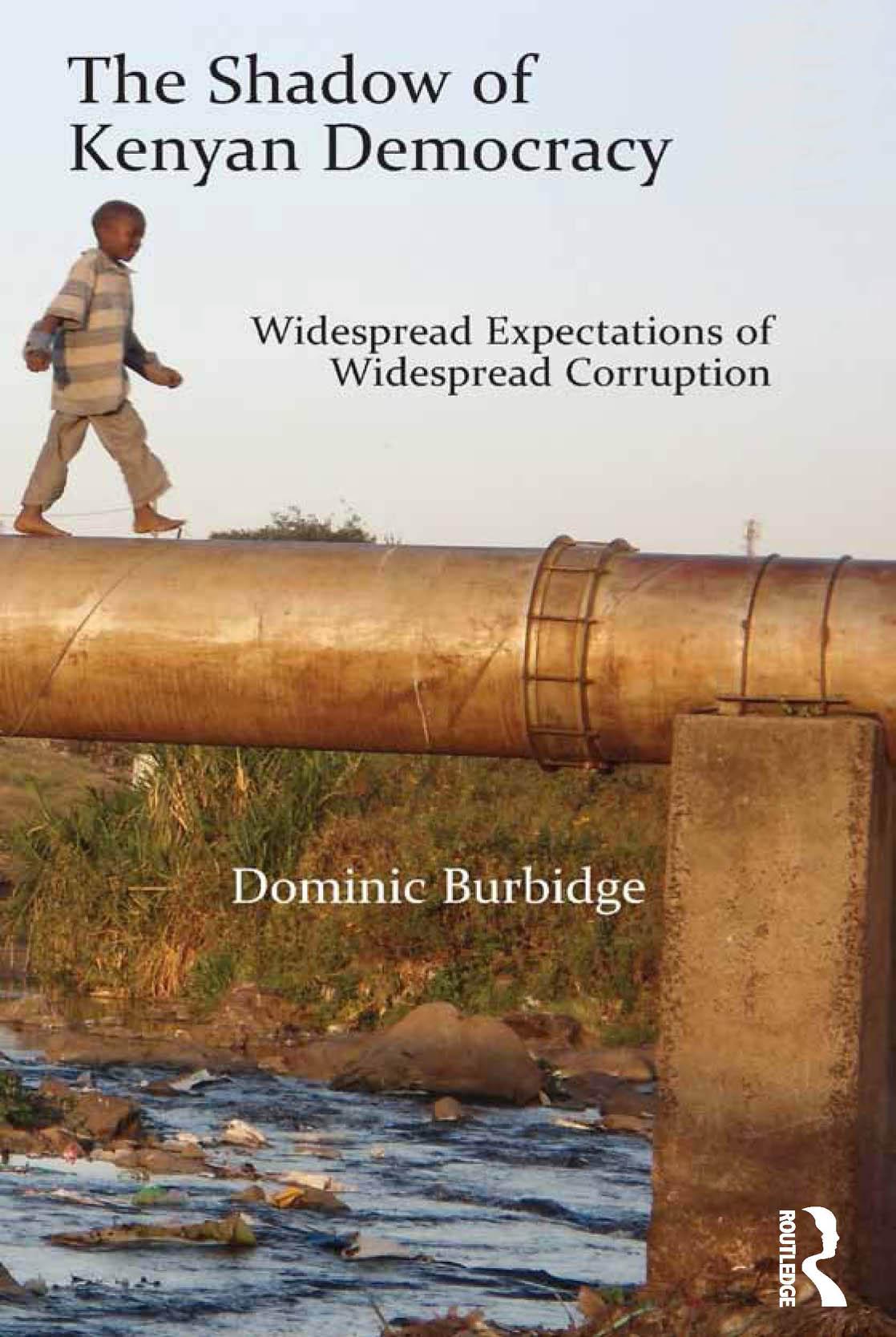
Why has democracy failed to reduce corruption in Kenya? Framing the challenge in game theoretical terms, Dominic Burbidge examines how mutual expectations between citizens dictate the success or failure of political reforms. Since 1992, Kenya has conducted multiparty elections with the hope of promoting accountability and transparency in government. This is being undermined by ongoing corruption and an increasingly centralised state response to terrorism. Providing a nuanced assessment of democracy’s difficult road in Kenya, Burbidge discusses the independent role being played by widespread social expectations of corruption. Through tracking average views of the average person, it is possible to identify a threshold beyond which society suffers mutually reinforcing negative social expectations. This trend is the shadow of Kenyan democracy, and must be treated as a policy challenge on its own terms before institutional reforms will be successful.
Paga fácilmente con tarjeta, Klarna, Apple Pay o Google Pay. ¿No estás contento? Siempre tienes 14 días de garantía de devolución. Lee más en nuestros términos. Si tienes preguntas, escríbenos a hello@memmo.org.
Memmo hace que estudiar sea más fácil, estés donde estés. Aquí tienes tus libros de texto y herramientas de estudio inteligentes en un solo lugar: resúmenes, quizzes, podcasts y flashcards. Y también a Ted, tu compañero de estudio que responde a todo lo que te preguntes. Más de 50 000 estudiantes ya estudian aquí. Está hecho para que aprendas más rápido y te estreses menos.
También te podría gustar
Comprar el libro0