
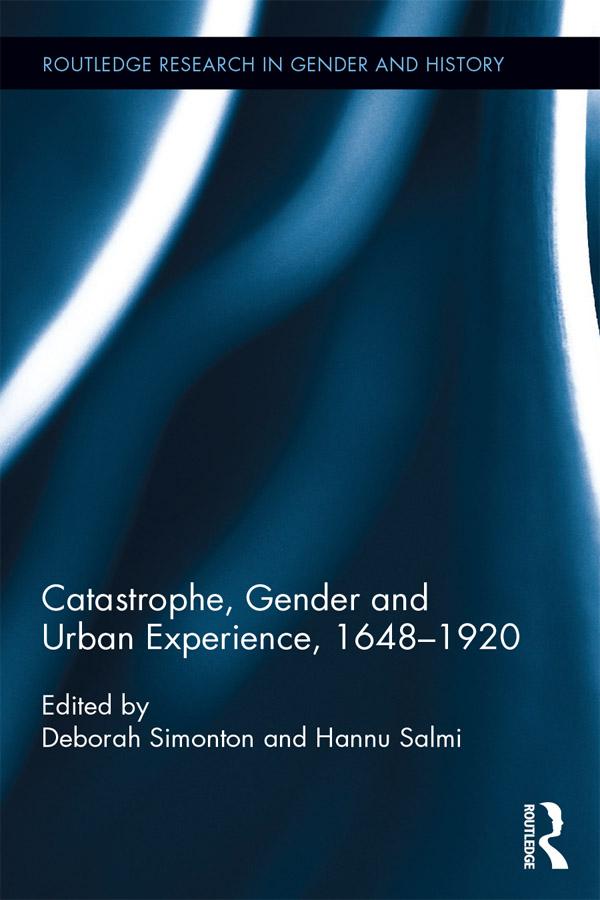
As Enlightenment notions of predictability, progress and the sense that humans could control and shape their environments informed European thought, catastrophes shook many towns to the core, challenging the new world view with dramatic impact. This book concentrates on a period marked by passage from a society of scarcity to one of expenditure and accumulation, from ranks and orders to greater social mobility, from traditional village life to new bourgeois and even individualistic urbanism. The volume employs a broad definition of catastrophe, as it examines how urban communities conceived, adapted to, and were transformed by catastrophes, both natural and human-made. Competing views of gender figure in the telling and retelling of these analyses: women as scapegoats, as vulnerable, as victims, even as cannibals or conversely as defenders, organizers of assistance, inspirers of men; and men in varied guises as protectors, governors and police, heroes, leaders, negotiators and honorable men. Gender is also deployed linguistically to feminize activities or even countries. Inevitably, however, these tragedies are mediated by myth and memory. They are not neutral events whose retelling is a simple narrative. Through a varied array of urban catastrophes, this book is a nuanced account that physically and metaphorically maps men and women into the urban landscape and the worlds of catastrophe.
Paga fácilmente con tarjeta, Klarna, Apple Pay o Google Pay. ¿No estás contento? Siempre tienes 14 días de garantía de devolución. Lee más en nuestros términos. Si tienes preguntas, escríbenos a hello@memmo.org.
Memmo hace que estudiar sea más fácil, estés donde estés. Aquí tienes tus libros de texto y herramientas de estudio inteligentes en un solo lugar: resúmenes, quizzes, podcasts y flashcards. Y también a Ted, tu compañero de estudio que responde a todo lo que te preguntes. Más de 50 000 estudiantes ya estudian aquí. Está hecho para que aprendas más rápido y te estreses menos.