
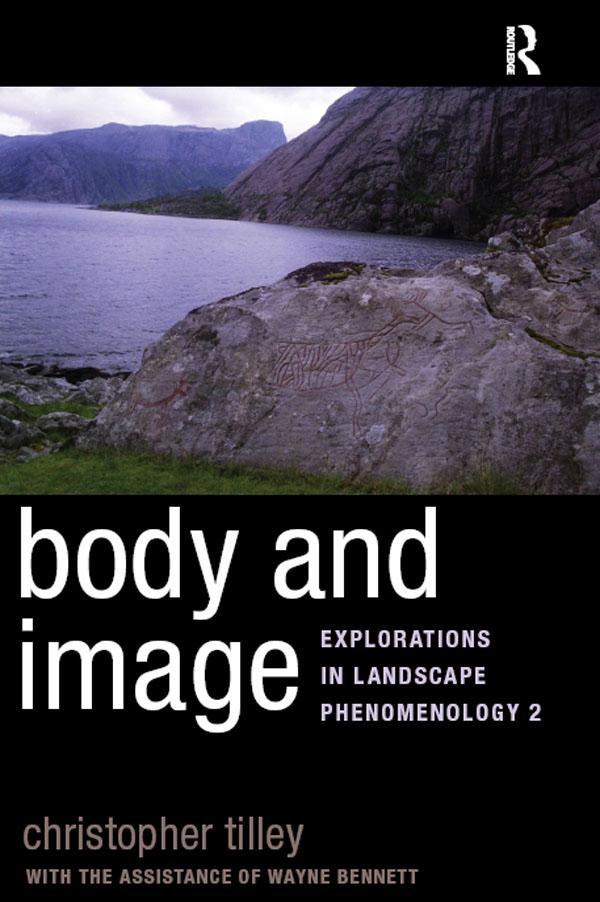
The understanding and interpretation of ancient architecture, landscapes, and art has always been viewed through an iconographic lens—a cognitive process based on traditional practices in art history. But ancient people did not ascribe their visions on canvas, rather on hills, stones, and fields. Thus, Chris Tilley argues, the iconographic approach falls short of understanding how ancient people interacted with their imagery. A kinaesthetic approach, one that uses the full body and all the senses, can better approximate the meaning that these artifacts had for their makers and today’s viewers. The body intersects the landscape in a myriad of ways—through the effort to reach the image, the angles that one can use to view, the multiple senses required for interaction. Tilley outlines the choreographic basis of understanding ancient landscapes and art phenomenologically, and demonstrates the power of his thesis through examples of rock art and megalithic architecture in Norway, Ireland, and Sweden. This is a powerful new model from one of the leading contemporary theorists in archaeology.
Paga fácilmente con tarjeta, Klarna, Apple Pay o Google Pay. ¿No estás contento? Siempre tienes 14 días de garantía de devolución. Lee más en nuestros términos. Si tienes preguntas, escríbenos a hello@memmo.org.
Memmo hace que estudiar sea más fácil, estés donde estés. Aquí tienes tus libros de texto y herramientas de estudio inteligentes en un solo lugar: resúmenes, quizzes, podcasts y flashcards. Y también a Ted, tu compañero de estudio que responde a todo lo que te preguntes. Más de 50 000 estudiantes ya estudian aquí. Está hecho para que aprendas más rápido y te estreses menos.
También te podría gustar
Comprar el libro0