
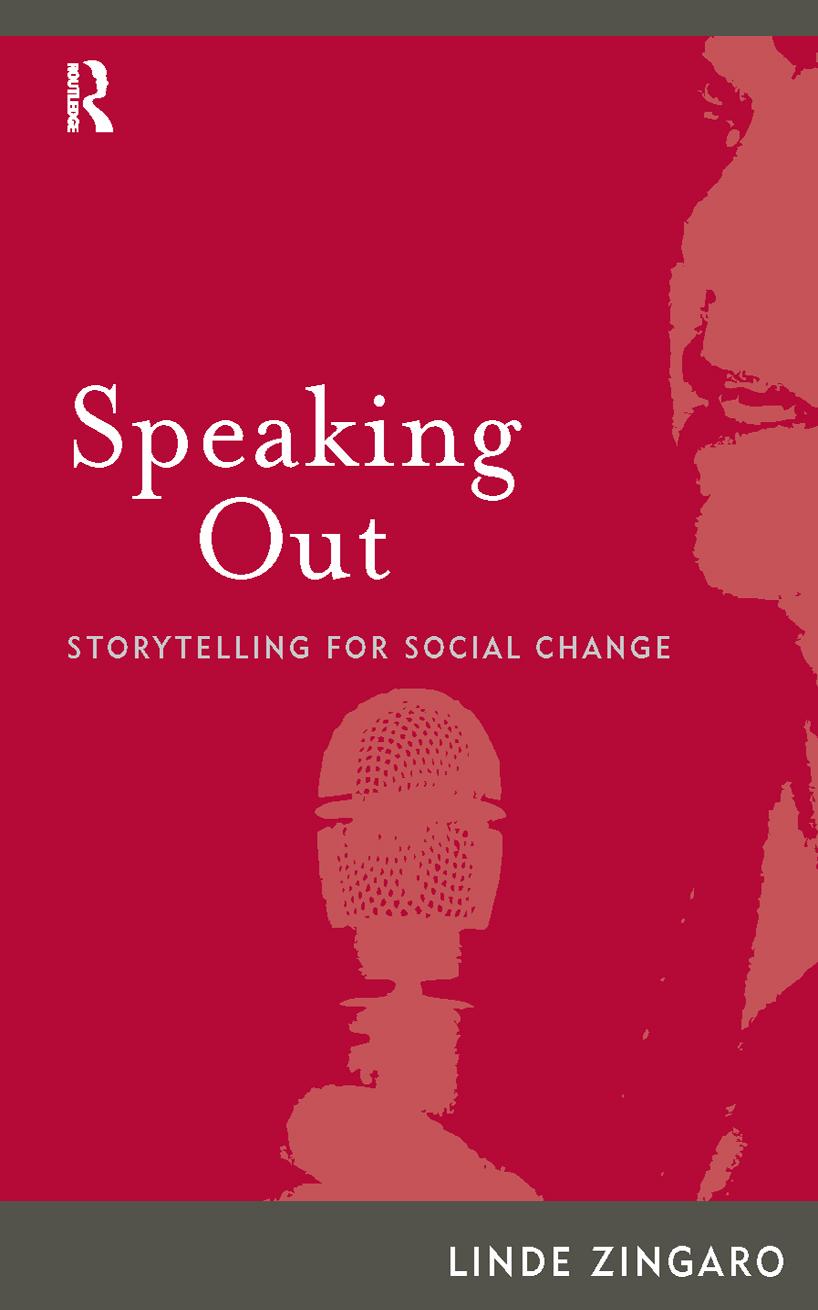
Many professionals in health, education, and community service roles are caught in a particular bind of identity—they live in a complex social borderland of credibility and professional authority while experiencing or having experienced the same discrimination, violence or trauma that they are committed to conquering. For some, the disclosure of their own stories of marginalization has become a tool for advocacy, for telling a larger truth; for others, self-disclosure is a more personal action, intended to assist isolated others in developing trust and connection. Linde Zingaro, a lifelong social service worker and activist, interviewed several colleagues who have chosen to speak out in this way, talking with them about their ethics and intentions, and collaborating to identify some of the risks of negative personal and professional consequences for the practitioner. She uses their voices—and her own—to illustrate some of the ways that these people have learned to safely and effectively use the transformative potential of storytelling as significant social action. This examination of speaking out as a meaningful social practice may help other workers, activists, and community researchers in their efforts to be heard in the interests of a more just society.
Paga fácilmente con tarjeta, Klarna, Apple Pay o Google Pay. ¿No estás contento? Siempre tienes 14 días de garantía de devolución. Lee más en nuestros términos. Si tienes preguntas, escríbenos a hello@memmo.org.
Memmo hace que estudiar sea más fácil, estés donde estés. Aquí tienes tus libros de texto y herramientas de estudio inteligentes en un solo lugar: resúmenes, quizzes, podcasts y flashcards. Y también a Ted, tu compañero de estudio que responde a todo lo que te preguntes. Más de 50 000 estudiantes ya estudian aquí. Está hecho para que aprendas más rápido y te estreses menos.
También te podría gustar
Comprar el libro0