
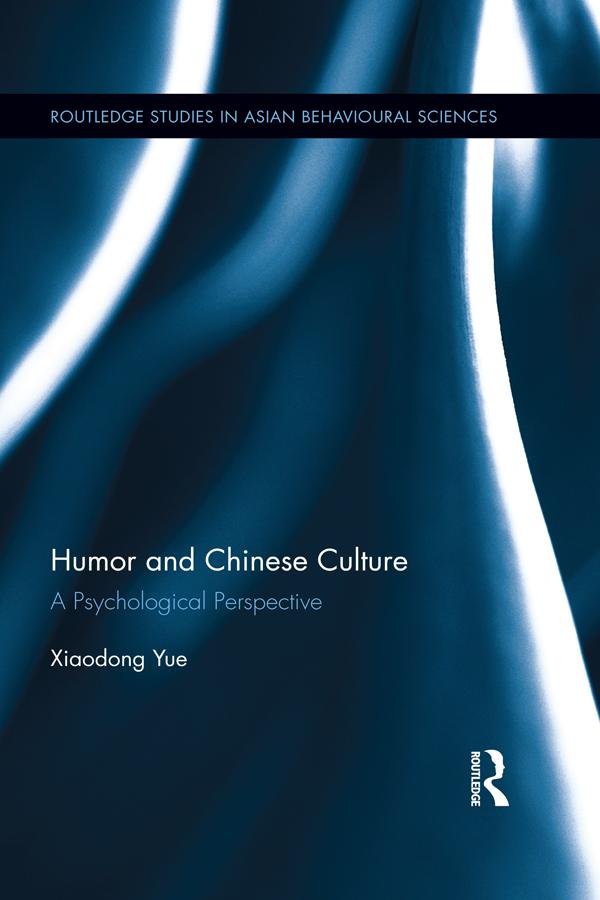
This book addresses psychological studies of humour in Chinese societies. It starts by reviewing how the concept of humour evolves in Chinese history, and how it is perceived by Confucianism, Taoism, and Buddhism respectively. It then compares differences in the Western and the Chinese perceptions of humor and discusses empirical studies that were conducted to examine such differences. It also discusses the cultural origin and empirical evidence of the Chinese ambivalence about humor and presents empirical findings that illustrate its existence. Having done these, it proceeds to discuss psychological studies that examine how humour is related to various demographic, dispositional variables as well as how humour is related to creativity in Chinese societies. It also discusses how humour is related to emotional expressions and mental health in Chinese society as well. It concludes with a discussion on how workplace humor is reflected and developed in Chinese contexts. Taken together, this book attempts to bring together the theoretical propositions, empirical studies, and cultural analyses of humor in Chinese societies.
Paga fácilmente con tarjeta, Klarna, Apple Pay o Google Pay. ¿No estás contento? Siempre tienes 14 días de garantía de devolución. Lee más en nuestros términos. Si tienes preguntas, escríbenos a hello@memmo.org.
Memmo hace que estudiar sea más fácil, estés donde estés. Aquí tienes tus libros de texto y herramientas de estudio inteligentes en un solo lugar: resúmenes, quizzes, podcasts y flashcards. Y también a Ted, tu compañero de estudio que responde a todo lo que te preguntes. Más de 50 000 estudiantes ya estudian aquí. Está hecho para que aprendas más rápido y te estreses menos.