
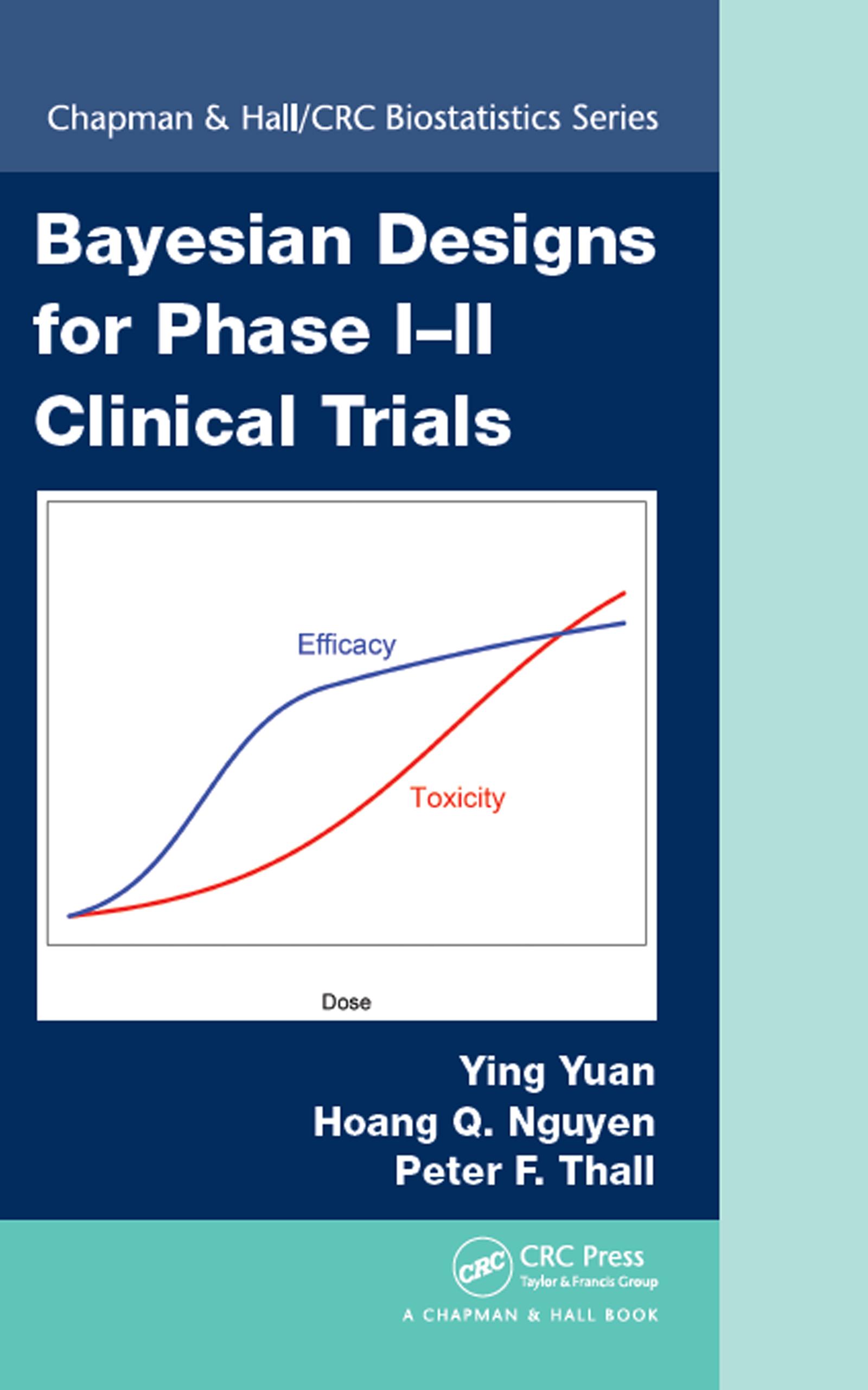
Reliably optimizing a new treatment in humans is a critical first step in clinical evaluation since choosing a suboptimal dose or schedule may lead to failure in later trials. At the same time, if promising preclinical results do not translate into a real treatment advance, it is important to determine this quickly and terminate the clinical evaluation process to avoid wasting resources.
Bayesian Designs for Phase I–II Clinical Trials describes how phase I–II designs can serve as a bridge or protective barrier between preclinical studies and large confirmatory clinical trials. It illustrates many of the severe drawbacks with conventional methods used for early-phase clinical trials and presents numerous Bayesian designs for human clinical trials of new experimental treatment regimes.
Written by research leaders from the University of Texas MD Anderson Cancer Center, this book shows how Bayesian designs for early-phase clinical trials can explore, refine, and optimize new experimental treatments. It emphasizes the importance of basing decisions on both efficacy and toxicity.
Paga fácilmente con tarjeta, Klarna, Apple Pay o Google Pay. ¿No estás contento? Siempre tienes 14 días de garantía de devolución. Lee más en nuestros términos. Si tienes preguntas, escríbenos a hello@memmo.org.
Memmo hace que estudiar sea más fácil, estés donde estés. Aquí tienes tus libros de texto y herramientas de estudio inteligentes en un solo lugar: resúmenes, quizzes, podcasts y flashcards. Y también a Ted, tu compañero de estudio que responde a todo lo que te preguntes. Más de 50 000 estudiantes ya estudian aquí. Está hecho para que aprendas más rápido y te estreses menos.