
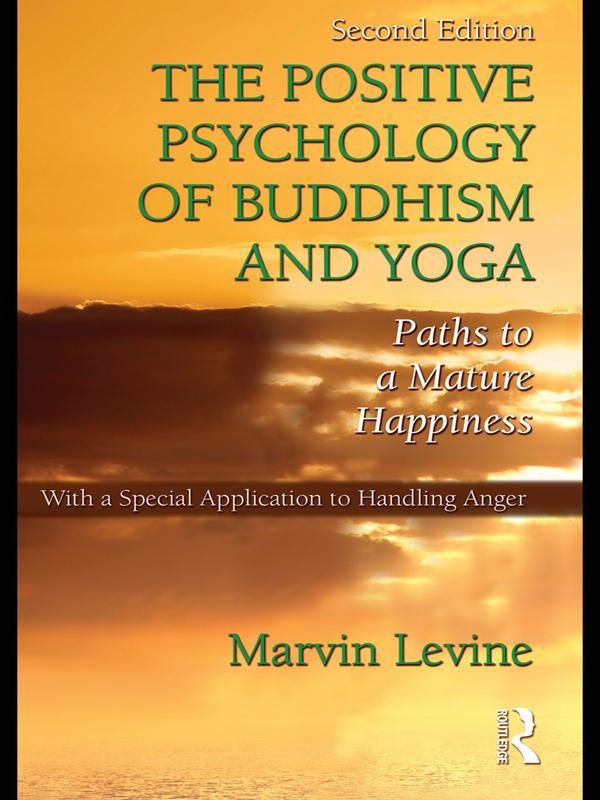
This book describes Buddhist-Yogic ideas in relation to those of contemporary Western psychology. The book begins with the Buddhist view of the human psyche and of the human condition. This leads to the question of what psychological changes need to be made to improve that condition. Similarities between Buddhism and Western Psychology include:
Both are concerned with alleviating inner pain, turmoil, affliction and suffering.
Both are humanistic and naturalistic in that they focus on the human condition and interpret it in natural terms.
Both view the human being as caught in a causal framework, in a matrix of forces such as cravings or drives which are produced by both our biology and our beliefs.
Both teach the appropriatenss of compassion, concern and unconditional positive regard towards others.
Both share the ideal of maturing or growth. In the East and the West, this is interpreted as greater self possession, diminished cravings and agitations, less impulsivity and deeper observations which permit us to monitor and change our thoughts and emotional states.
Buddhism, Yoga, and Western Psychology, especially the recent emphasis on positive psychology, are concerned with the attainment of deep and lasting happiness. The thesis of all three is that self-transformation is the surest path to this happiness.
Paga fácilmente con tarjeta, Klarna, Apple Pay o Google Pay. ¿No estás contento? Siempre tienes 14 días de garantía de devolución. Lee más en nuestros términos. Si tienes preguntas, escríbenos a hello@memmo.org.
Memmo hace que estudiar sea más fácil, estés donde estés. Aquí tienes tus libros de texto y herramientas de estudio inteligentes en un solo lugar: resúmenes, quizzes, podcasts y flashcards. Y también a Ted, tu compañero de estudio que responde a todo lo que te preguntes. Más de 50 000 estudiantes ya estudian aquí. Está hecho para que aprendas más rápido y te estreses menos.