
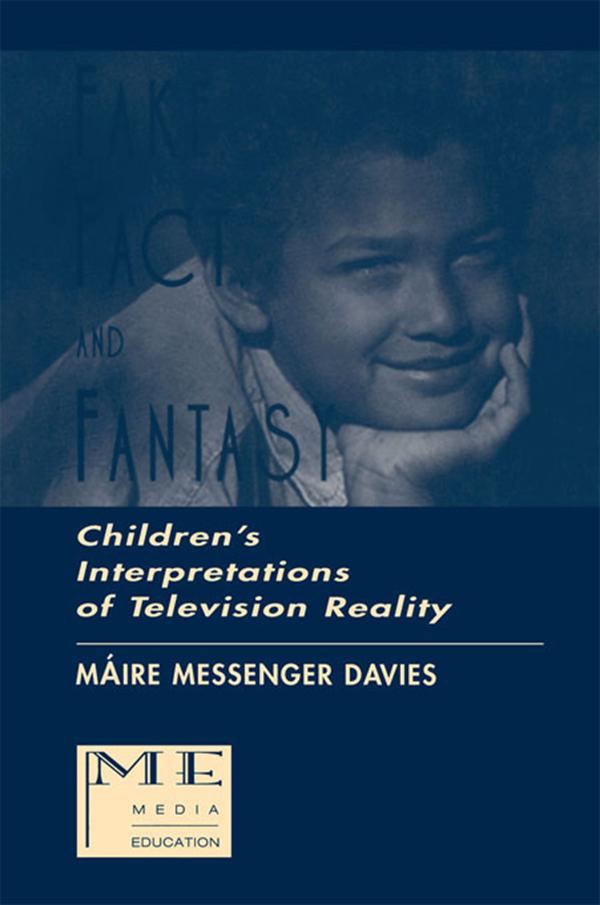
Based on a study examining the meaning of the term "media literacy" in children, this volume concentrates on audiovisual narratives of television and film and their effects. It closely examines children's concepts of real and unreal and how they learn to make distinctions between the two. It also explores the idea that children are protected from the harmful effects of violence on television by the knowledge that what they see is not real.
This volume is unique in its use of children's own words to explore their awareness of the submerged conventions of television genres, of their functions and effects, of their relationship to the real world, and of how this awareness varies with age and other factors. Based on detailed questionnaire data and conversations with 6 to 11-year-old children, carried out with the support of a fellowship at the Annenberg School for Communication, University of Pennsylvania, the book eloquently demonstrates how children use their knowledge of real life, of literature, and of art, in intelligently evaluating the relationship between television's formats, and the real world in which they live.
Paga fácilmente con tarjeta, Klarna, Apple Pay o Google Pay. ¿No estás contento? Siempre tienes 14 días de garantía de devolución. Lee más en nuestros términos. Si tienes preguntas, escríbenos a hello@memmo.org.
Memmo hace que estudiar sea más fácil, estés donde estés. Aquí tienes tus libros de texto y herramientas de estudio inteligentes en un solo lugar: resúmenes, quizzes, podcasts y flashcards. Y también a Ted, tu compañero de estudio que responde a todo lo que te preguntes. Más de 50 000 estudiantes ya estudian aquí. Está hecho para que aprendas más rápido y te estreses menos.