
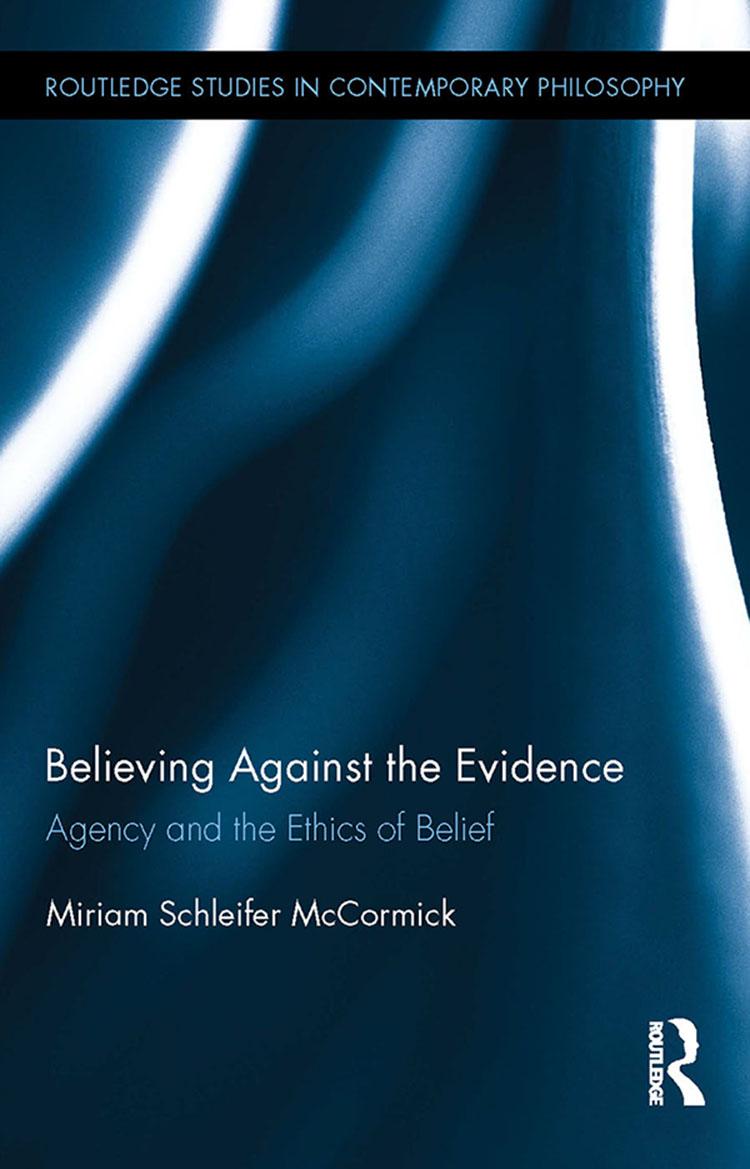
The question of whether it is ever permissible to believe on insufficient evidence has once again become a live question. Greater attention is now being paid to practical dimensions of belief, namely issues related to epistemic virtue, doxastic responsibility, and voluntarism.
In this book, McCormick argues that the standards used to evaluate beliefs are not isolated from other evaluative domains. The ultimate criteria for assessing beliefs are the same as those for assessing action because beliefs and actions are both products of agency. Two important implications of this thesis, both of which deviate from the dominant view in contemporary philosophy, are 1) it can be permissible (and possible) to believe for non-evidential reasons, and 2) we have a robust control over many of our beliefs, a control sufficient to ground attributions of responsibility for belief.
Paga fácilmente con tarjeta, Klarna, Apple Pay o Google Pay. ¿No estás contento? Siempre tienes 14 días de garantía de devolución. Lee más en nuestros términos. Si tienes preguntas, escríbenos a hello@memmo.org.
Memmo hace que estudiar sea más fácil, estés donde estés. Aquí tienes tus libros de texto y herramientas de estudio inteligentes en un solo lugar: resúmenes, quizzes, podcasts y flashcards. Y también a Ted, tu compañero de estudio que responde a todo lo que te preguntes. Más de 50 000 estudiantes ya estudian aquí. Está hecho para que aprendas más rápido y te estreses menos.