
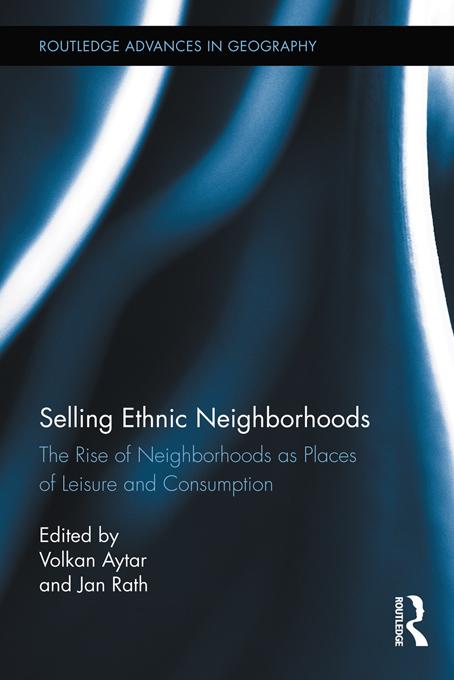
While ethnic neighborhoods are usually associated with poverty, crime and social problems, they have also emerged as places of leisure and consumption, providing opportunities for numerous entrepreneurs and employees. Local and national governments and other regulatory actors, as well as the media, have started to see and promote these neighborhoods as urban attractions for tourists, city dwellers and others. This book aims to analyze the roles of ethnic entrepreneurs and their associations and governments, and - by extension - of consumers and other actors in the rise of ethnic neighborhoods as places of leisure and consumption. Through case studies, it situates those neighborhoods at the edge of different theoretical debates about urban political economy and the politics of culture, and seeks a dynamic synergy between both.
Paga fácilmente con tarjeta, Klarna, Apple Pay o Google Pay. ¿No estás contento? Siempre tienes 14 días de garantía de devolución. Lee más en nuestros términos. Si tienes preguntas, escríbenos a hello@memmo.org.
Memmo hace que estudiar sea más fácil, estés donde estés. Aquí tienes tus libros de texto y herramientas de estudio inteligentes en un solo lugar: resúmenes, quizzes, podcasts y flashcards. Y también a Ted, tu compañero de estudio que responde a todo lo que te preguntes. Más de 50 000 estudiantes ya estudian aquí. Está hecho para que aprendas más rápido y te estreses menos.