
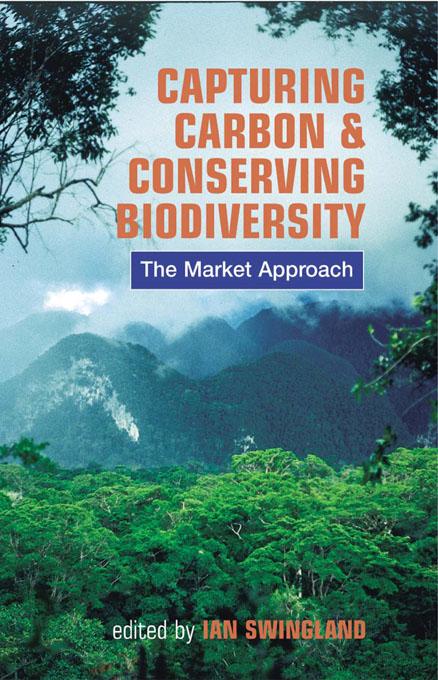
For decades conservation has been based on the donor-driven principle. It hasn't worked. For centuries, environmental pollution or degradation has been addressed by the same attitude: the 'Polluter Pays' principle. That hasn't worked either. The cycle has to stop. But while everyone talks about using a market-driven approach, few know how to do it. Faced with the situation on the ground what do you do? What is happening? How can you engage a system so that it is self-sustaining and the people self-motivated? This study explores how the growing market in carbon can help to conserve carbon-based life forms. It discusses how reducing global warming and saving biodiversity can both be achieved with the right market conditions. The contributors include conservation biologists, ecologists, biologists, economists, lawyers, community and tribal specialists, financial specialists, market makers, environment specialists, climatologists, resource managers, atmospheric scientists, project developers and corporate fund managers.
Paga fácilmente con tarjeta, Klarna, Apple Pay o Google Pay. ¿No estás contento? Siempre tienes 14 días de garantía de devolución. Lee más en nuestros términos. Si tienes preguntas, escríbenos a hello@memmo.org.
Memmo hace que estudiar sea más fácil, estés donde estés. Aquí tienes tus libros de texto y herramientas de estudio inteligentes en un solo lugar: resúmenes, quizzes, podcasts y flashcards. Y también a Ted, tu compañero de estudio que responde a todo lo que te preguntes. Más de 50 000 estudiantes ya estudian aquí. Está hecho para que aprendas más rápido y te estreses menos.
También te podría gustar
Comprar el libro0