
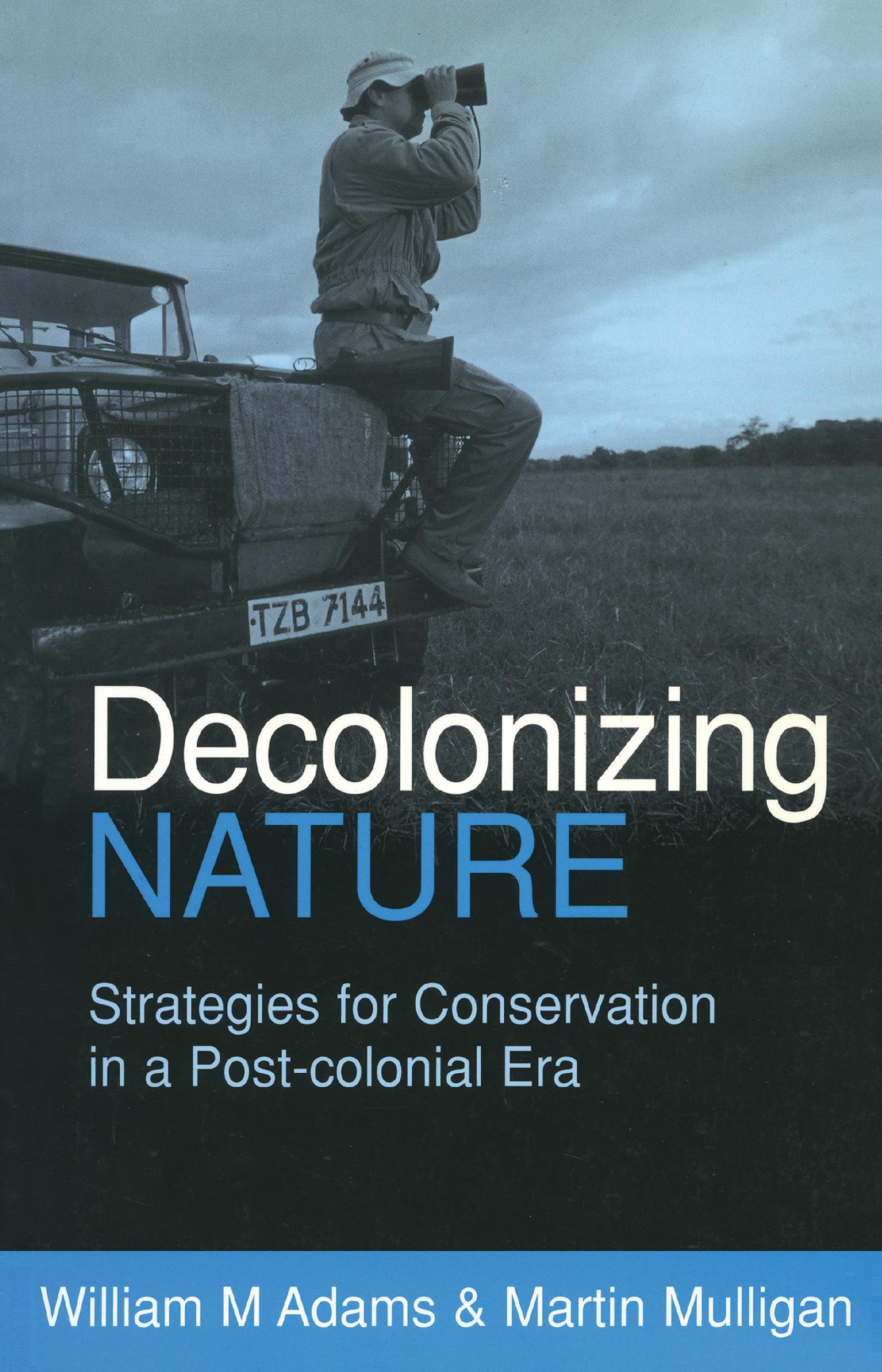
British imperialism was almost unparalleled in its historical and geographical reach, leaving a legacy of entrenched social transformation in nations and cultures in every part of the globe. Colonial annexation and government were based on an all-encompassing system that integrated and controlled political, economic, social and ethnic relations, and required a similar annexation and control of natural resources and nature itself. Colonial ideologies were expressed not only in the progressive exploitation of nature but also in the emerging discourses of conservation.
At the start of the 21st century, the conservation of nature is of undiminished importance in post-colonial societies, yet the legacy of colonial thinking endures. What should conservation look like today, and what (indeed, whose) ideas should it be based upon?
Decolonizing Nature explores the influence of the colonial legacy on contemporary conservation and on ideas about the relationships between people, polities and nature in countries and cultures that were once part of the British Empire. It locates the historical development of the theory and practice of conservation - at both the periphery and the centre - firmly within the context of this legacy, and considers its significance today. It highlights the present and future challenges to conservationists of contemporary global neo-colonialism
The contributors to this volume include both academics and conservation practitioners. They provide wide-ranging and insightful perspectives on the need for, and practical ways to achieve new forms of informed ethical engagement between people and nature.
Paga fácilmente con tarjeta, Klarna, Apple Pay o Google Pay. ¿No estás contento? Siempre tienes 14 días de garantía de devolución. Lee más en nuestros términos. Si tienes preguntas, escríbenos a hello@memmo.org.
Memmo hace que estudiar sea más fácil, estés donde estés. Aquí tienes tus libros de texto y herramientas de estudio inteligentes en un solo lugar: resúmenes, quizzes, podcasts y flashcards. Y también a Ted, tu compañero de estudio que responde a todo lo que te preguntes. Más de 50 000 estudiantes ya estudian aquí. Está hecho para que aprendas más rápido y te estreses menos.