
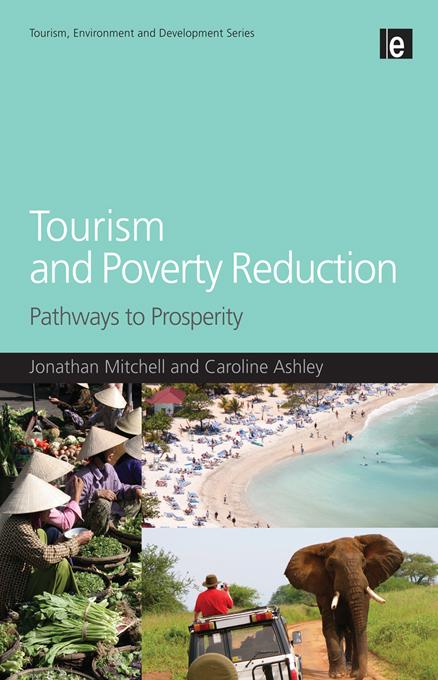
Tourism can reduce poverty in developing countries. But tourism growth is not universally inclusive of the poor. Moreover our understanding of how tourism affects the poor is largely based on partial and superficial analysis. Researchers from different disciplines and practitioners with different objectives generally work in splendid isolation from each other and from the mainstream of development economics. Detailed economic analysis remains buried and is rarely challenged for policy implications, let alone poverty implications.
This book provides an overview of a broad array of analyses of how tourism affects poor people. First, it pulls these together to identify three main pathways by which impacts on poverty can be delivered. Second, it reviews the empirical evidence on the scale and significance of impacts within each pathway, exploring where comparisons can be made and where they cannot. Finally, it considers the different methods used to gather and collect data, and implications for how we should work in the future.
Tourism and Poverty Reduction draws on international evidence throughout, but provides particular insights into Africa and other less developed countries. It makes a major contribution to a more coherent, cross-disciplinary and sensitive approach to the tourism-poverty debate.
Paga fácilmente con tarjeta, Klarna, Apple Pay o Google Pay. ¿No estás contento? Siempre tienes 14 días de garantía de devolución. Lee más en nuestros términos. Si tienes preguntas, escríbenos a hello@memmo.org.
Memmo hace que estudiar sea más fácil, estés donde estés. Aquí tienes tus libros de texto y herramientas de estudio inteligentes en un solo lugar: resúmenes, quizzes, podcasts y flashcards. Y también a Ted, tu compañero de estudio que responde a todo lo que te preguntes. Más de 50 000 estudiantes ya estudian aquí. Está hecho para que aprendas más rápido y te estreses menos.