
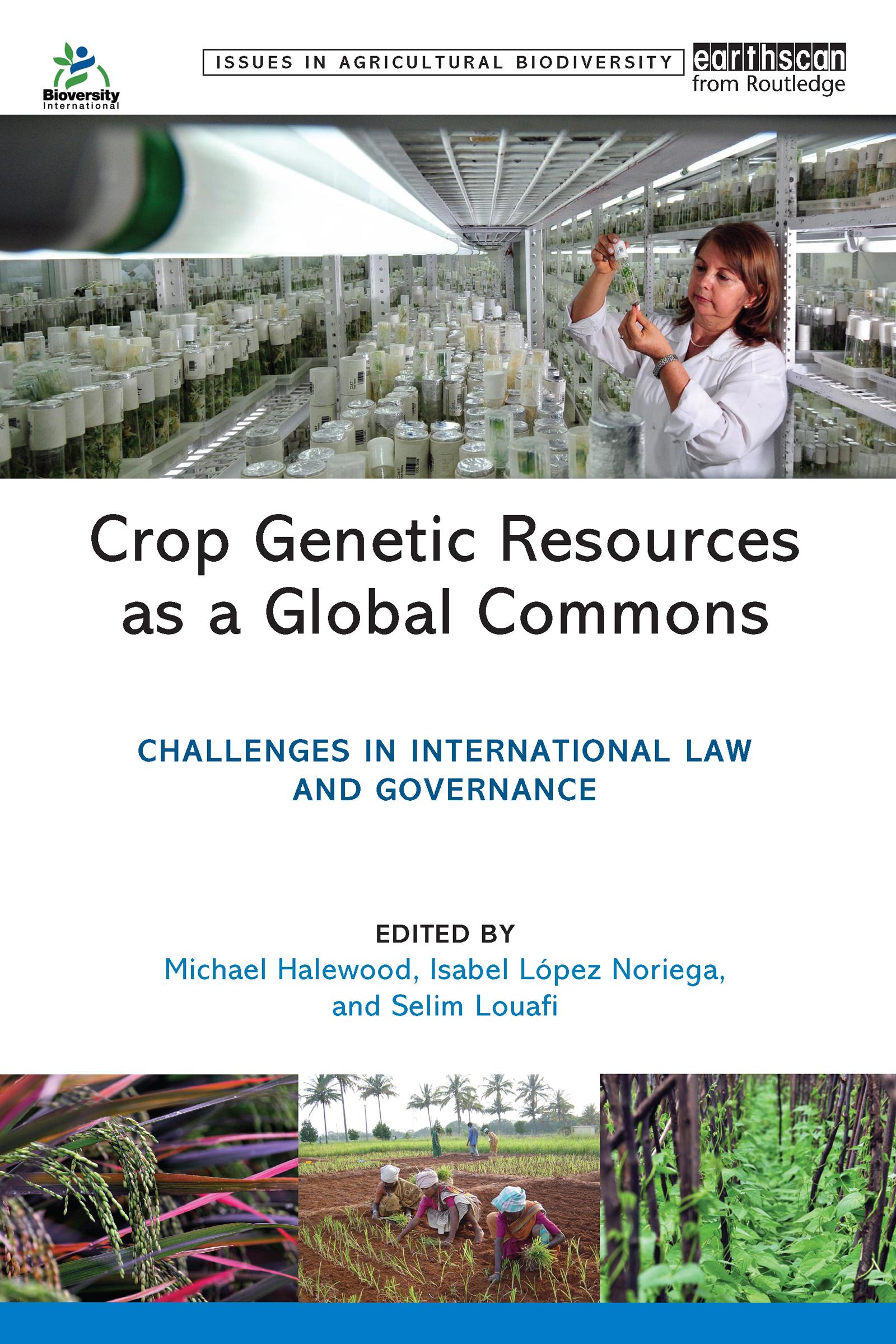
Farmers have engaged in collective systems of conservation and innovation – improving crops and sharing their reproductive materials – since the earliest plant domestications. Relatively open flows of plant germplasm attended the early spread of agriculture; they continued in the wake of (and were driven by) imperialism, colonization, emigration, trade, development assistance and climate change. As crops have moved around the world, and agricultural innovation and production systems have expanded, so too has the scope and coverage of pools of shared plant genetic resources that support those systems. The range of actors involved in their conservation and use has also increased dramatically.
This book addresses how the collective pooling and management of shared plant genetic resources for food and agriculture can be supported through laws regulating access to genetic resources and the sharing of benefits arising from their use. Since the most important recent development in the field has been the creation of the multilateral system of access and benefit-sharing under the International Treaty on Plant Genetic Resources for Food and Agriculture, many of the chapters in this book will focus on the architecture and functioning of that system. The book analyzes tensions that are threatening to undermine the potential of access and benefit-sharing laws to support the collective pooling of plant genetic resources, and identifies opportunities to address those tensions in ways that could increase the scope, utility and sustainability of the global crop commons.
Paga fácilmente con tarjeta, Klarna, Apple Pay o Google Pay. ¿No estás contento? Siempre tienes 14 días de garantía de devolución. Lee más en nuestros términos. Si tienes preguntas, escríbenos a hello@memmo.org.
Memmo hace que estudiar sea más fácil, estés donde estés. Aquí tienes tus libros de texto y herramientas de estudio inteligentes en un solo lugar: resúmenes, quizzes, podcasts y flashcards. Y también a Ted, tu compañero de estudio que responde a todo lo que te preguntes. Más de 50 000 estudiantes ya estudian aquí. Está hecho para que aprendas más rápido y te estreses menos.