
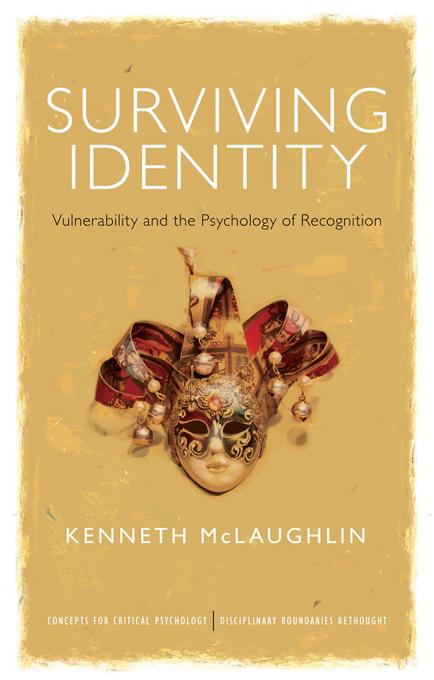
Today, political claims are increasingly made on the basis of experienced trauma and inherent vulnerability, as evidenced in the growing number of people who identify as a "survivor" of one thing or another, and also in the way in which much political discourse and social policy assumes the vulnerability of the population. This book discusses these developments in relation to the changing focus of social movements, from concerns with economic redistribution, towards campaigns for cultural recognition. As a result of this, the experience of trauma and psychological vulnerability has become a dominant paradigm within which both personal and political grievances are expressed.
Combining the psychological, social, and political aspects of the expression of individual distress and political dissent, this book provides a unique analysis of how concepts such as "vulnerability" and "trauma" have become institutionalised within politics and society. It also offers a critical appraisal of the political and personal implications of these developments, and in addition, shows how the institutionalisation of the survivor identity represents a diminished view of the human subject and our capacity to achieve progressive political and individual change.
This book will be of interest to researchers, postgraduate and undergraduate students of critical psychology, sociology, social policy, politics, social movements and mental health.
Paga fácilmente con tarjeta, Klarna, Apple Pay o Google Pay. ¿No estás contento? Siempre tienes 14 días de garantía de devolución. Lee más en nuestros términos. Si tienes preguntas, escríbenos a hello@memmo.org.
Memmo hace que estudiar sea más fácil, estés donde estés. Aquí tienes tus libros de texto y herramientas de estudio inteligentes en un solo lugar: resúmenes, quizzes, podcasts y flashcards. Y también a Ted, tu compañero de estudio que responde a todo lo que te preguntes. Más de 50 000 estudiantes ya estudian aquí. Está hecho para que aprendas más rápido y te estreses menos.