
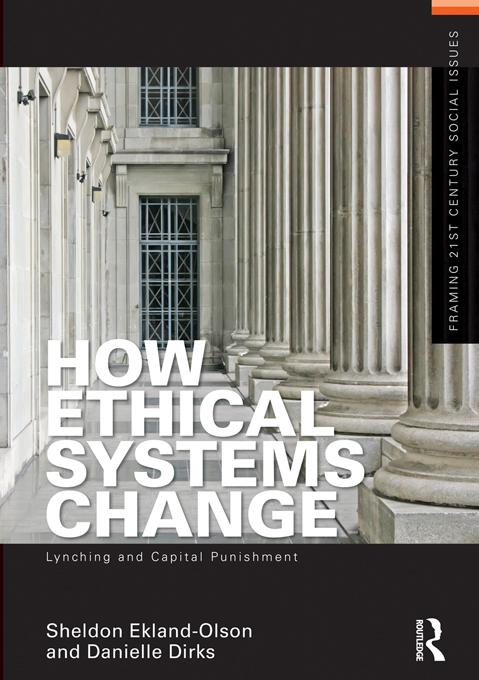
Slavery, lynching and capital punishment were interwoven in the United States and by the mid-twentieth century these connections gave rise to a small but well-focused reform movement. Biased and perfunctory procedures were replaced by prolonged trials and appeals, which some found messy and meaningless; DNA profiling clearly established innocent persons had been sentenced to death. The debate over taking life to protect life continues; this book is based on a hugely popular undergraduate course taught at the University of Texas, and is ideal for those interested in criminal justice, social problems, social inequality, and social movements.
This book is an excerpt from a larger text, Who Lives, Who Dies, Who Decides?, http://www.routledge.com/9780415892476/
Paga fácilmente con tarjeta, Klarna, Apple Pay o Google Pay. ¿No estás contento? Siempre tienes 14 días de garantía de devolución. Lee más en nuestros términos. Si tienes preguntas, escríbenos a hello@memmo.org.
Memmo hace que estudiar sea más fácil, estés donde estés. Aquí tienes tus libros de texto y herramientas de estudio inteligentes en un solo lugar: resúmenes, quizzes, podcasts y flashcards. Y también a Ted, tu compañero de estudio que responde a todo lo que te preguntes. Más de 50 000 estudiantes ya estudian aquí. Está hecho para que aprendas más rápido y te estreses menos.