
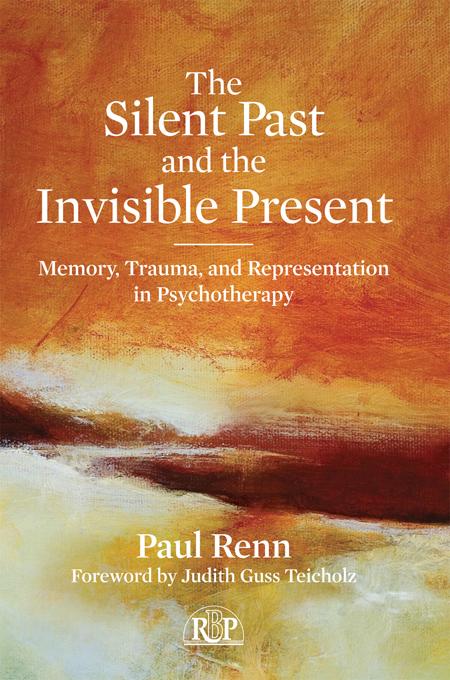
Drawing on research in the fields of cognitive and developmental psychology, attachment, trauma, and neuroscience, as well as 20 years in forensic and private practice, Paul Renn deftly illustrates the ways in which this research may be used to inform an integrated empirical/hermeneutic model of clinical practice. He suggests that silent, invisible processes derived from the past maintain non-optimal ways of experiencing and relating in the present, and that a neuroscience understanding of the dynamic nature of memories, and of the way in which the implicit and explicit memory systems operate and interact, is salient to a concomitant understanding of trauma, personality development, and therapeutic action. Specifically, Renn argues that an intersubjective psychodynamic model can use the power of an emotionally meaningful therapeutic relationship to gradually facilitate both relational and neurological changes in patients with trauma histories. Taken as a whole, these themes reflect a paradigmatic shift in psychoanalytic thinking about clinical work and the process of change.
Paga fácilmente con tarjeta, Klarna, Apple Pay o Google Pay. ¿No estás contento? Siempre tienes 14 días de garantía de devolución. Lee más en nuestros términos. Si tienes preguntas, escríbenos a hello@memmo.org.
Memmo hace que estudiar sea más fácil, estés donde estés. Aquí tienes tus libros de texto y herramientas de estudio inteligentes en un solo lugar: resúmenes, quizzes, podcasts y flashcards. Y también a Ted, tu compañero de estudio que responde a todo lo que te preguntes. Más de 50 000 estudiantes ya estudian aquí. Está hecho para que aprendas más rápido y te estreses menos.
También te podría gustar
Comprar el libro0