
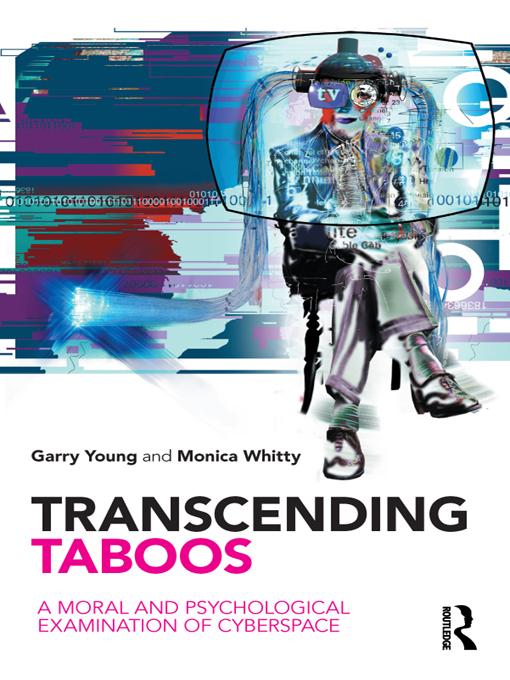
Cyberspace is composed of a multitude of different spaces where users can represent themselves in many divergent ways. Why in a video game, is it more acceptable to murder or maim than rape? After all, in each case, it is only pixels that are being assaulted. This book avoids wrestling with the common question of whether the virtual violation of real-world taboos is right or wrong, and instead provides a theoretical framework that helps us understand why such distinctions are typically made, and explores the psychological impact of violating offline taboos within cyberspace.
The authors discuss such online areas as:
- ‘Reality’ sites depicting taboo images
- Social networking websites and online chatrooms
- Online dating websites
- Video game content.
This book considers whether there are some interactions that should not be permissible even virtually. It also examines how we might be able to cope with the potential moral freedoms afforded by cyberspace, and who might be vulnerable to such freedoms of action and representation within this virtual space.
This book is ideal for researchers and students of internet psychology, philosophy and social policy, as well as therapists, those interested in computer science, law, media and communication studies
Paga fácilmente con tarjeta, Klarna, Apple Pay o Google Pay. ¿No estás contento? Siempre tienes 14 días de garantía de devolución. Lee más en nuestros términos. Si tienes preguntas, escríbenos a hello@memmo.org.
Memmo hace que estudiar sea más fácil, estés donde estés. Aquí tienes tus libros de texto y herramientas de estudio inteligentes en un solo lugar: resúmenes, quizzes, podcasts y flashcards. Y también a Ted, tu compañero de estudio que responde a todo lo que te preguntes. Más de 50 000 estudiantes ya estudian aquí. Está hecho para que aprendas más rápido y te estreses menos.