
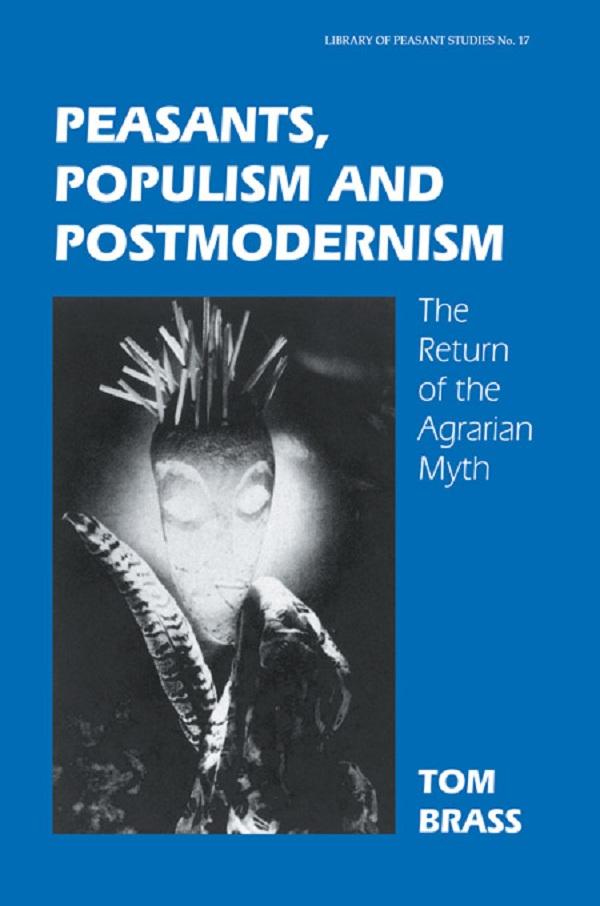
Tracing the way in which the agrarian myth has emerged and re-emerged over the past century in ideology shared by populism, postmodernism and the political right, the argument in this book is that at the centre of this discourse about the cultural identity of 'otherness'/ 'difference' lies the concept of and innate 'peasant-ness'. In a variety of contextually-specific discursive forms, the 'old' populism of the 1890s and the nationalism and fascism in Europe, America and Asia during the 1920s and 1930s were all informed by the agrarian myth. The postmodern 'new' populism and the 'new' right, both of which emerged after the 1960s and consolidated during the 1990s, are also structured discursively by the agrarian myth, and with it the ideological reaffirmation of peasant essentialism.
Paga fácilmente con tarjeta, Klarna, Apple Pay o Google Pay. ¿No estás contento? Siempre tienes 14 días de garantía de devolución. Lee más en nuestros términos. Si tienes preguntas, escríbenos a hello@memmo.org.
Memmo hace que estudiar sea más fácil, estés donde estés. Aquí tienes tus libros de texto y herramientas de estudio inteligentes en un solo lugar: resúmenes, quizzes, podcasts y flashcards. Y también a Ted, tu compañero de estudio que responde a todo lo que te preguntes. Más de 50 000 estudiantes ya estudian aquí. Está hecho para que aprendas más rápido y te estreses menos.
También te podría gustar
Comprar el libro0