
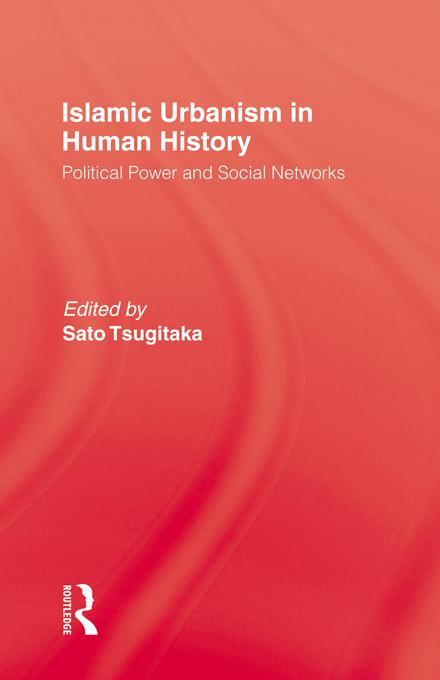
Islamic cultures in the Middle East have inherited and developed a legacy of urbanism spanning millennia to the ancient civilizations of the region. In contrast to well-organized states like China in history, Muslim peoples formed loose states based on intricate social networks. As a consequence, most studies of urban history in the Middle East have focused their gaze exclusively on urban social organization, often neglecting the extension of political power to rural areas. Covering Morocco, Egypt, Syria, Iran and Brunei, this volume explores the relationship between political power and social networks in medieval and modern Middle Eastern history. The authors examine social, religious and administrative networks that governed rural and urban areas and led to state formation, providing a more inclusive view of the mechanisms of power and control in the Islamic world.
Paga fácilmente con tarjeta, Klarna, Apple Pay o Google Pay. ¿No estás contento? Siempre tienes 14 días de garantía de devolución. Lee más en nuestros términos. Si tienes preguntas, escríbenos a hello@memmo.org.
Memmo hace que estudiar sea más fácil, estés donde estés. Aquí tienes tus libros de texto y herramientas de estudio inteligentes en un solo lugar: resúmenes, quizzes, podcasts y flashcards. Y también a Ted, tu compañero de estudio que responde a todo lo que te preguntes. Más de 50 000 estudiantes ya estudian aquí. Está hecho para que aprendas más rápido y te estreses menos.