
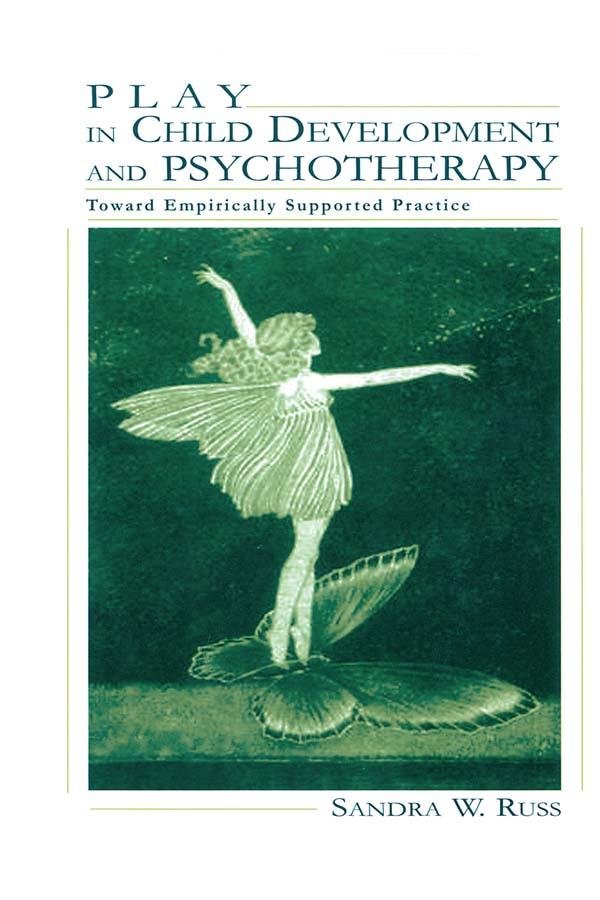
Child psychotherapy is in a state of transition. On the one hand, pretend play is a major tool of therapists who work with children. On the other, a mounting chorus of critics claims that play therapy lacks demonstrated treatment efficacy. These complaints are not invalid. Clinical research has only begun.
Extensive studies by developmental researchers have, however, strongly supported the importance of play for children. Much knowledge is being accumulated about the ways in which play is involved in the development of cognitive, affective, and personality processes that are crucial for adaptive functioning. However, there has been a yawning gap between research findings and useful suggestions for practitioners.
Play in Child Development and Psychotherapy represents the first effort to bridge the gap and place play therapy on a firmer empirical foundation. Sandra Russ applies sophisticated contemporary understanding of the role of play in child development to the work of mental health professionals who are trying to design intervention and prevention programs that can be empirically evaluated. Never losing sight of the complex problems that face child therapists, she integrates clinical and developmental research and theory into a comprehensive, up-to-date review of current approaches to conceptualizing play and to doing both therapeutic play work with children and the assessment that necessarily precedes and accompanies it.
Paga fácilmente con tarjeta, Klarna, Apple Pay o Google Pay. ¿No estás contento? Siempre tienes 14 días de garantía de devolución. Lee más en nuestros términos. Si tienes preguntas, escríbenos a hello@memmo.org.
Memmo hace que estudiar sea más fácil, estés donde estés. Aquí tienes tus libros de texto y herramientas de estudio inteligentes en un solo lugar: resúmenes, quizzes, podcasts y flashcards. Y también a Ted, tu compañero de estudio que responde a todo lo que te preguntes. Más de 50 000 estudiantes ya estudian aquí. Está hecho para que aprendas más rápido y te estreses menos.