
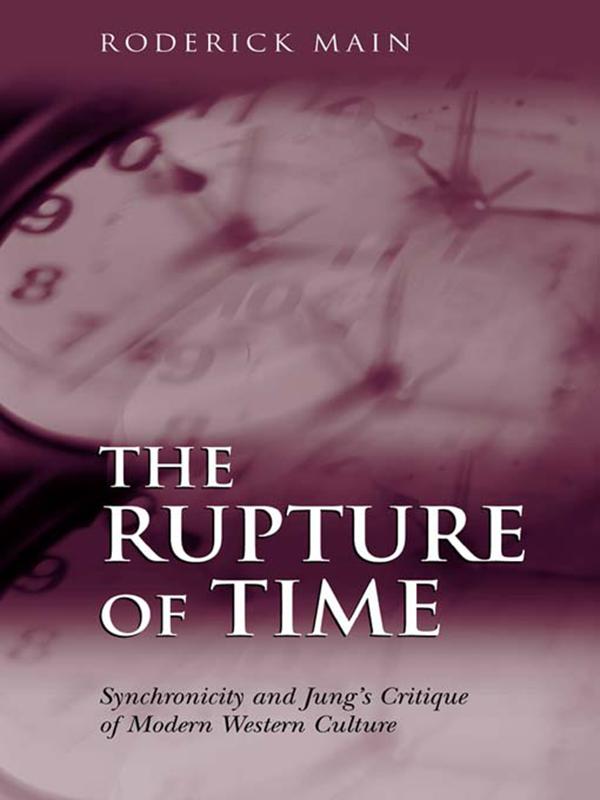
Why was the idea of synchronicity so important to Jung?
Jung's theory of synchronicity radically challenges the entrenched assumptions of mainstream modern culture in the West. It is one of the most fascinating yet difficult and discomfiting of Jung's psychological theories.
The Rupture of Time aims to clarify what Jung really meant by synchronicity, why the idea was so important to him and how it informed his thinking about modern western culture. Areas examined include:
* how the theory fits into Jung's overall psychological model and the significance of its apparent inconsistencies
* the wide range of personal, intellectual and social contexts of Jung's thinking on the topic
* how Jung himself applied the theory of synchronicity within his critique of science, religion, and society
* the continuing relevance of the theory for understanding issues in contemporary detraditionalised religion.
Focusing closely on Jung's own writings and statements, this book discloses that the theory of synchronicity is not an inconsequential addendum to analytical psychology but is central to the psychological project that occupied Jung throughout his professional life. This much-needed clarification of one of Jung's central tenets will be of great interest to all analytical psychologists and scholars engaged with Jungian thought.
Paga fácilmente con tarjeta, Klarna, Apple Pay o Google Pay. ¿No estás contento? Siempre tienes 14 días de garantía de devolución. Lee más en nuestros términos. Si tienes preguntas, escríbenos a hello@memmo.org.
Memmo hace que estudiar sea más fácil, estés donde estés. Aquí tienes tus libros de texto y herramientas de estudio inteligentes en un solo lugar: resúmenes, quizzes, podcasts y flashcards. Y también a Ted, tu compañero de estudio que responde a todo lo que te preguntes. Más de 50 000 estudiantes ya estudian aquí. Está hecho para que aprendas más rápido y te estreses menos.