
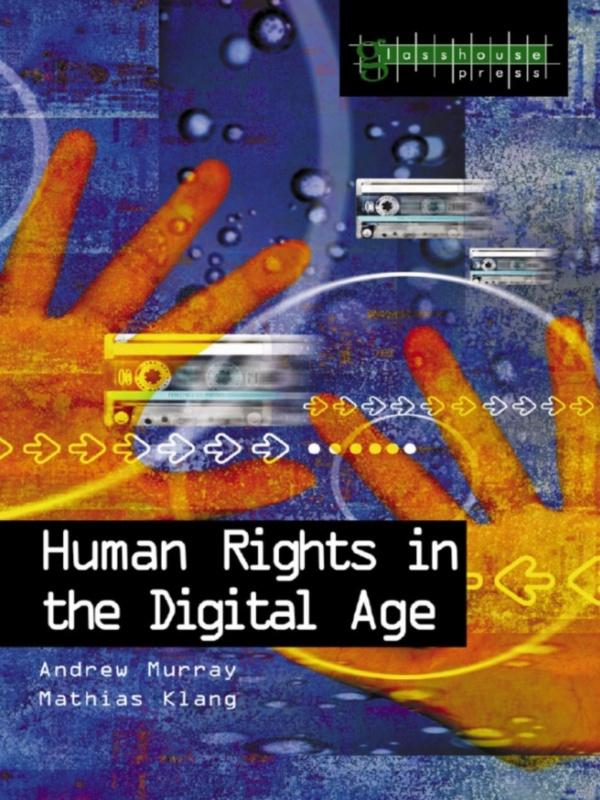
The digital age began in 1939 with the construction of the first digital computer. In the sixty-five years that have followed, the influence of digitisation on our everyday lives has grown steadily and today digital technology has a greater influence on our lives than at any time since its development. This book examines the role played by digital technology in both the exercise and suppression of human rights. The global digital environment has allowed us to reinterpret the concept of universal human rights. Discourse on human rights need no longer be limited by national or cultural boundaries and individuals have the ability to create new forms in which to exercise their rights or even to bypass national limitations to rights. The defence of such rights is meanwhile under constant assault by the newfound ability of states to both suppress and control individual rights through the application of these same digital technologies.
This book gathers together an international group of experts working within this rapidly developing area of law and technology and focuses their attantion on the specific interaction between human rights and digital technology. This is the first work to explore the challenges brought about by digital technology to fundamental freedoms such as privacy, freedom of expression, access, assembly and dignity. It is essential reading for anyone who fears digital technology will lead to the 'Big Brother' state.
Paga fácilmente con tarjeta, Klarna, Apple Pay o Google Pay. ¿No estás contento? Siempre tienes 14 días de garantía de devolución. Lee más en nuestros términos. Si tienes preguntas, escríbenos a hello@memmo.org.
Memmo hace que estudiar sea más fácil, estés donde estés. Aquí tienes tus libros de texto y herramientas de estudio inteligentes en un solo lugar: resúmenes, quizzes, podcasts y flashcards. Y también a Ted, tu compañero de estudio que responde a todo lo que te preguntes. Más de 50 000 estudiantes ya estudian aquí. Está hecho para que aprendas más rápido y te estreses menos.