
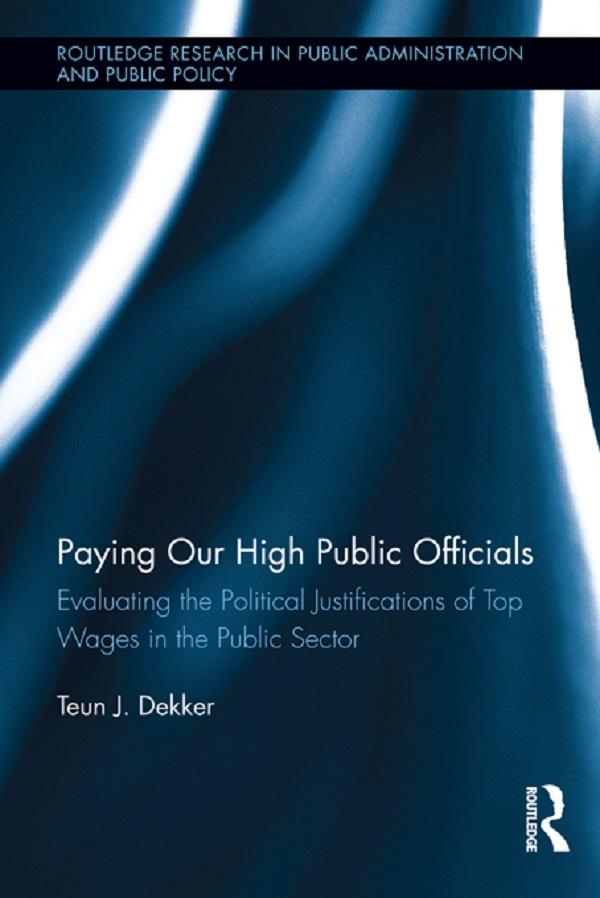
In almost every liberal democratic society, an issue that is a topic of constant and passionate public discussion is how much that country’s ministers, legislators, senior civil servants, and senior judges should be paid. Nor is this surprising; the issue has considerable voyeuristic appeal, particular democratic significance, and important ramifications for the functioning of the public sector as a whole. However, like most political debates, these discussions tend to be messy, fragmented, and full of unverified assertions and spurious appeals to populist sentiment. It is hardly surprising that those discussions rarely succeed in putting the matter to rest.
Paying Our High Public Officials examines the political discourse concerning this question in 17 liberal democracies (Canada, the United States, Mexico, Norway, Finland, the Netherlands, the United Kingdom, Ireland, Germany, Austria, Switzerland, France, Poland, Italy, Hong Kong, Singapore, and New Zealand). Based on many hundreds of parliamentary debates, newspaper articles, speeches, as well as reports by think tanks and high commissions of state, the book identifies seven central arguments that occur in all these societies, translates them into the language of analytical philosophy, and then rigorously evaluates them. This approach contributes to a better understanding of this controversy and may result in better-justified and more legitimate conclusions concerning which policy to adopt.
Paga fácilmente con tarjeta, Klarna, Apple Pay o Google Pay. ¿No estás contento? Siempre tienes 14 días de garantía de devolución. Lee más en nuestros términos. Si tienes preguntas, escríbenos a hello@memmo.org.
Memmo hace que estudiar sea más fácil, estés donde estés. Aquí tienes tus libros de texto y herramientas de estudio inteligentes en un solo lugar: resúmenes, quizzes, podcasts y flashcards. Y también a Ted, tu compañero de estudio que responde a todo lo que te preguntes. Más de 50 000 estudiantes ya estudian aquí. Está hecho para que aprendas más rápido y te estreses menos.