
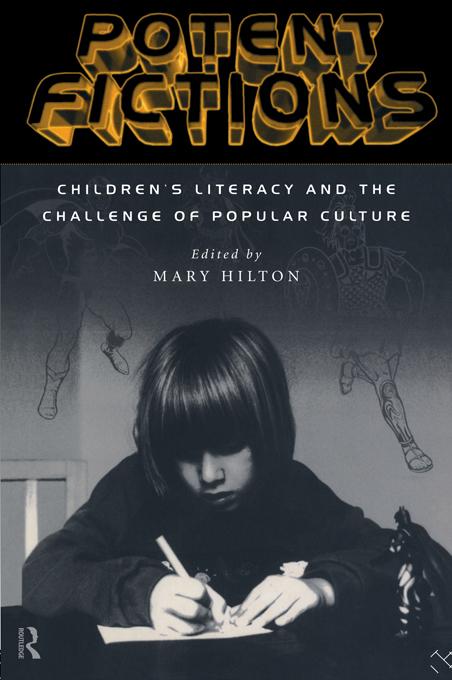
Today's children spend more time than ever before watching television, playing computer games and reading comic and pulp fiction. Many of these are directly designed by the toy and media industry. Are children therefore simply being manipulated?
There is widespread concern that because of these kinds of popular fiction, children do not read `quality' literature, resulting in lower standards of literacy. There is also the further fear that because many of these popular media portray highly stereotyped, gendered images, this too will have a damaging effect on children.
Mary Hilton's fascinating book proves that there is another side to the argument. We do not have to view popular culture as a threat to our children or their education. The writers of this collection show how, used carefully alongside other types of literature, popular culture can actually help teachers to develop literacy in a broad and positive sense.
Paga fácilmente con tarjeta, Klarna, Apple Pay o Google Pay. ¿No estás contento? Siempre tienes 14 días de garantía de devolución. Lee más en nuestros términos. Si tienes preguntas, escríbenos a hello@memmo.org.
Memmo hace que estudiar sea más fácil, estés donde estés. Aquí tienes tus libros de texto y herramientas de estudio inteligentes en un solo lugar: resúmenes, quizzes, podcasts y flashcards. Y también a Ted, tu compañero de estudio que responde a todo lo que te preguntes. Más de 50 000 estudiantes ya estudian aquí. Está hecho para que aprendas más rápido y te estreses menos.
También te podría gustar
Comprar el libro0