
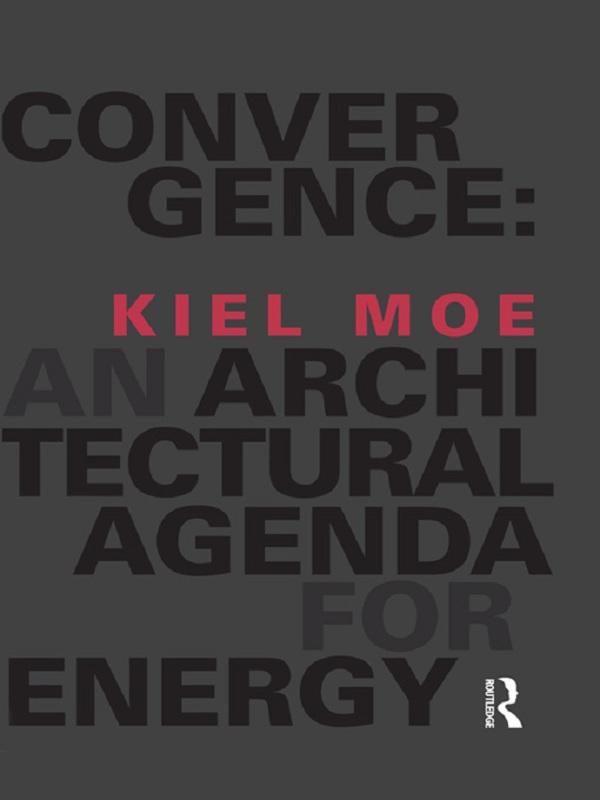
Convergence is based on the thermodynamic premise that architecture should maximize its ecological and architectural power. No matter how paradoxical it might initially seem, architects should maximize energy intake, maximize energy use, and maximize energy feedback and reinforcement. This presumes that the necessary excess of architecture is in fact an architect’s greatest asset when it comes to an agenda for energy, not a liability.
But how do we start to understand the full range of eco-thermodynamic principles which need to be engaged with in order to achieve this?
Kiel Moe explicates three factors: materials, energy systems and amortization. When these three factors converge through design, the resulting buildings begin to perform in complex, if not subtle, ways.
By drawing on a range of architectural, thermodynamic, and ecological sources as well as illustrated and well-designed case studies, the author shows what architecture stands to gain by simultaneously maximizing the architectural and ecological power of buildings.
.
Paga fácilmente con tarjeta, Klarna, Apple Pay o Google Pay. ¿No estás contento? Siempre tienes 14 días de garantía de devolución. Lee más en nuestros términos. Si tienes preguntas, escríbenos a hello@memmo.org.
Memmo hace que estudiar sea más fácil, estés donde estés. Aquí tienes tus libros de texto y herramientas de estudio inteligentes en un solo lugar: resúmenes, quizzes, podcasts y flashcards. Y también a Ted, tu compañero de estudio que responde a todo lo que te preguntes. Más de 50 000 estudiantes ya estudian aquí. Está hecho para que aprendas más rápido y te estreses menos.