
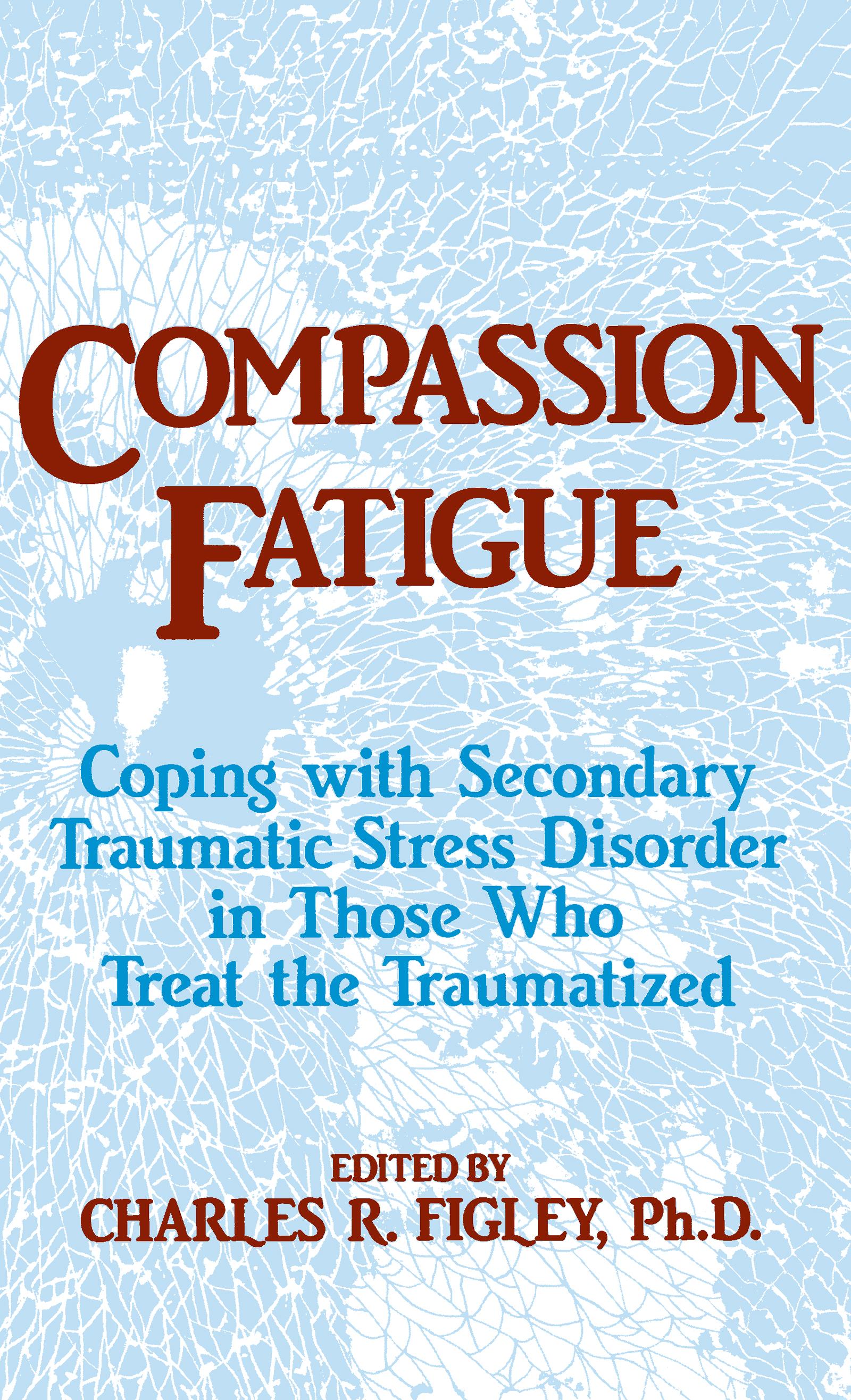
First published in 1995. Traumatology, or the field of traumatic stress studies, has become a dominant focus of interest in the mental health fields only in the past decade. Yet the origin of the study of human reactions to traumatic events can be traced to the earliest medical writings in Kunus Pyprus, published in 1900 B.C. in Egypt. Many factors account for the recent emergence of this field, including a growing awareness of the long-term consequences of shocking events. Among these consequences are violence toward others, extraordinary depression, dysfunctional behavior, and a plethora of medical maladies associated with emotional stress. This is the latest in a series of books that have focused on the immediate and long-term consequences of highly stressful events. The purposes of the book, then, are (a) to introduce the concept of compassion fatigue as a natural and disruptive by-product of working with traumatized and troubled clients; (b) to provide a theoretical basis for the assessment and treatment of compassion stress and compassion fatigue: (c) to explain the difference between compassion fatigue and PTSD, burnout, and countertransference; (d) to identify innovative methods for treating compassion fatigue in therapists, and (e) to suggest methods for preventing compassion fatigue.
Paga fácilmente con tarjeta, Klarna, Apple Pay o Google Pay. ¿No estás contento? Siempre tienes 14 días de garantía de devolución. Lee más en nuestros términos. Si tienes preguntas, escríbenos a hello@memmo.org.
Memmo hace que estudiar sea más fácil, estés donde estés. Aquí tienes tus libros de texto y herramientas de estudio inteligentes en un solo lugar: resúmenes, quizzes, podcasts y flashcards. Y también a Ted, tu compañero de estudio que responde a todo lo que te preguntes. Más de 50 000 estudiantes ya estudian aquí. Está hecho para que aprendas más rápido y te estreses menos.
También te podría gustar
Comprar el libro0