
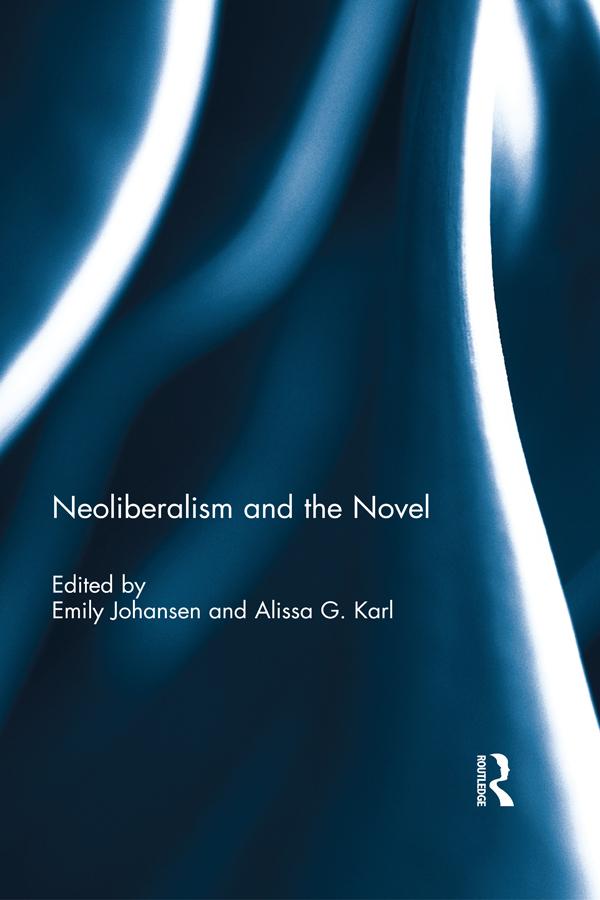
The novel form has long been connected to modern capitalism and is, arguably, the literary genre most prominently enmeshed in contemporary global markets. Yet, as many critics have suggested about capital, something has changed in the last forty years. With the rise of neoliberalism as the dominant global economic rationality and mode of governance, the experience of capital has produced new ways of seeing and relating to the world, leading, as David Harvey observes, to "the financialization of everything". The novel, indexed to capital in myriad ways, then, must similarly have been transformed.
Neoliberalism and the Novel investigates both those changes wrought to the novel form by changing arrangements of capital, and the novel’s broader engagement with neoliberalism itself. The chapters in this book consider these questions from a variety of angles, attending to the way in which the neoliberal novel deploys familiar generic patterns as a site from which to offer critique; examining the changing operation of labour and time under neoliberalism and its effect on novel form; and offering a broader call for new reading and interpretative practices to respond to changing socio-economic realities. This book was originally published as a special issue of Textual Practice.
Paga fácilmente con tarjeta, Klarna, Apple Pay o Google Pay. ¿No estás contento? Siempre tienes 14 días de garantía de devolución. Lee más en nuestros términos. Si tienes preguntas, escríbenos a hello@memmo.org.
Memmo hace que estudiar sea más fácil, estés donde estés. Aquí tienes tus libros de texto y herramientas de estudio inteligentes en un solo lugar: resúmenes, quizzes, podcasts y flashcards. Y también a Ted, tu compañero de estudio que responde a todo lo que te preguntes. Más de 50 000 estudiantes ya estudian aquí. Está hecho para que aprendas más rápido y te estreses menos.