
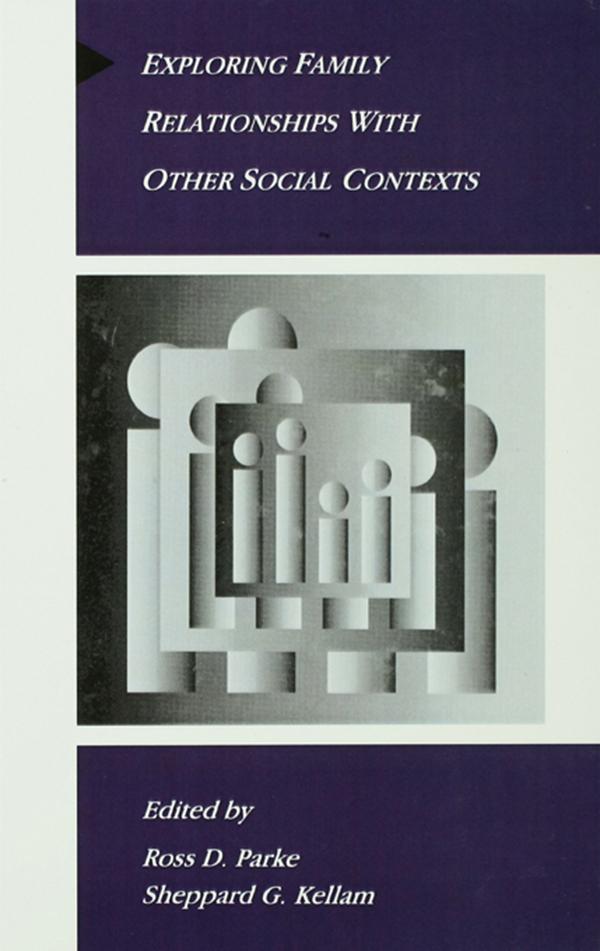
In the 1990s it is no longer "news" that families do not operate independently from other social organizations and institutions. Instead, it is generally recognized that families are embedded in a complex set of relationships with other institutions and contexts outside the family. In spite of this recognition, a great deal remains to be discovered about the ways in which families are influenced by these outside agencies or how families influence the functioning of children and adults in these extra-familial settings--school, work, day-care, or peer group contexts. Moreover, little is known about the nature of the processes that account for this mutual influence between families and other societal institutions and settings. The goal of this volume is to present examples from a series of ongoing research programs that are beginning to provide some tentative answers to these questions.
The result of a summer workshop characterized by lively exchanges not only between speakers and the audience, but among participants in small group discussions as well, this volume attempts to communicate some of the dynamism and excitement that was evident at the conference. In the final analysis, this book should stimulate further theoretical and empirical advances in understanding how families relate to other contexts.
Paga fácilmente con tarjeta, Klarna, Apple Pay o Google Pay. ¿No estás contento? Siempre tienes 14 días de garantía de devolución. Lee más en nuestros términos. Si tienes preguntas, escríbenos a hello@memmo.org.
Memmo hace que estudiar sea más fácil, estés donde estés. Aquí tienes tus libros de texto y herramientas de estudio inteligentes en un solo lugar: resúmenes, quizzes, podcasts y flashcards. Y también a Ted, tu compañero de estudio que responde a todo lo que te preguntes. Más de 50 000 estudiantes ya estudian aquí. Está hecho para que aprendas más rápido y te estreses menos.