
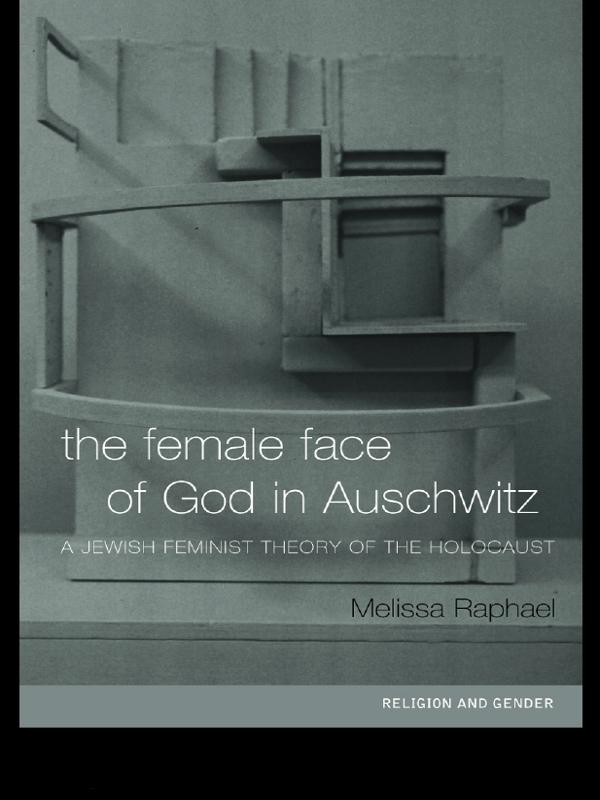
The dominant theme of post-Holocaust Jewish theology has been that of the temporary hiddenness of God, interpreted either as a divine mystery or, more commonly, as God's deferral to human freedom. But traditional Judaic obligations of female presence, together with the traditional image of the Shekhinah as a figure of God's 'femaleness' accompanying Israel into exile, seem to contradict such theologies of absence. The Female Face of God in Auschwitz, the first full-length feminist theology of the Holocaust, argues that the patriarchal bias of post-Holocaust theology becomes fully apparent only when women's experiences and priorities are brought into historical light. Building upon the published testimonies of four women imprisoned at Auschwitz-Birkenau - Olga Lengyel, Lucie Adelsberger, Bertha Ferderber-Salz and Sara Nomberg-Przytyk - it considers women's distinct experiences of the holy in relation to God's perceived presence and absence in the camps.
God's face, says Melissa Raphael, was not hidden in Auschwitz, but intimately revealed in the female face turned towards the other as a refractive image of God, especially in the moral protest made visible through material and spiritual care for the assaulted other.
Paga fácilmente con tarjeta, Klarna, Apple Pay o Google Pay. ¿No estás contento? Siempre tienes 14 días de garantía de devolución. Lee más en nuestros términos. Si tienes preguntas, escríbenos a hello@memmo.org.
Memmo hace que estudiar sea más fácil, estés donde estés. Aquí tienes tus libros de texto y herramientas de estudio inteligentes en un solo lugar: resúmenes, quizzes, podcasts y flashcards. Y también a Ted, tu compañero de estudio que responde a todo lo que te preguntes. Más de 50 000 estudiantes ya estudian aquí. Está hecho para que aprendas más rápido y te estreses menos.