
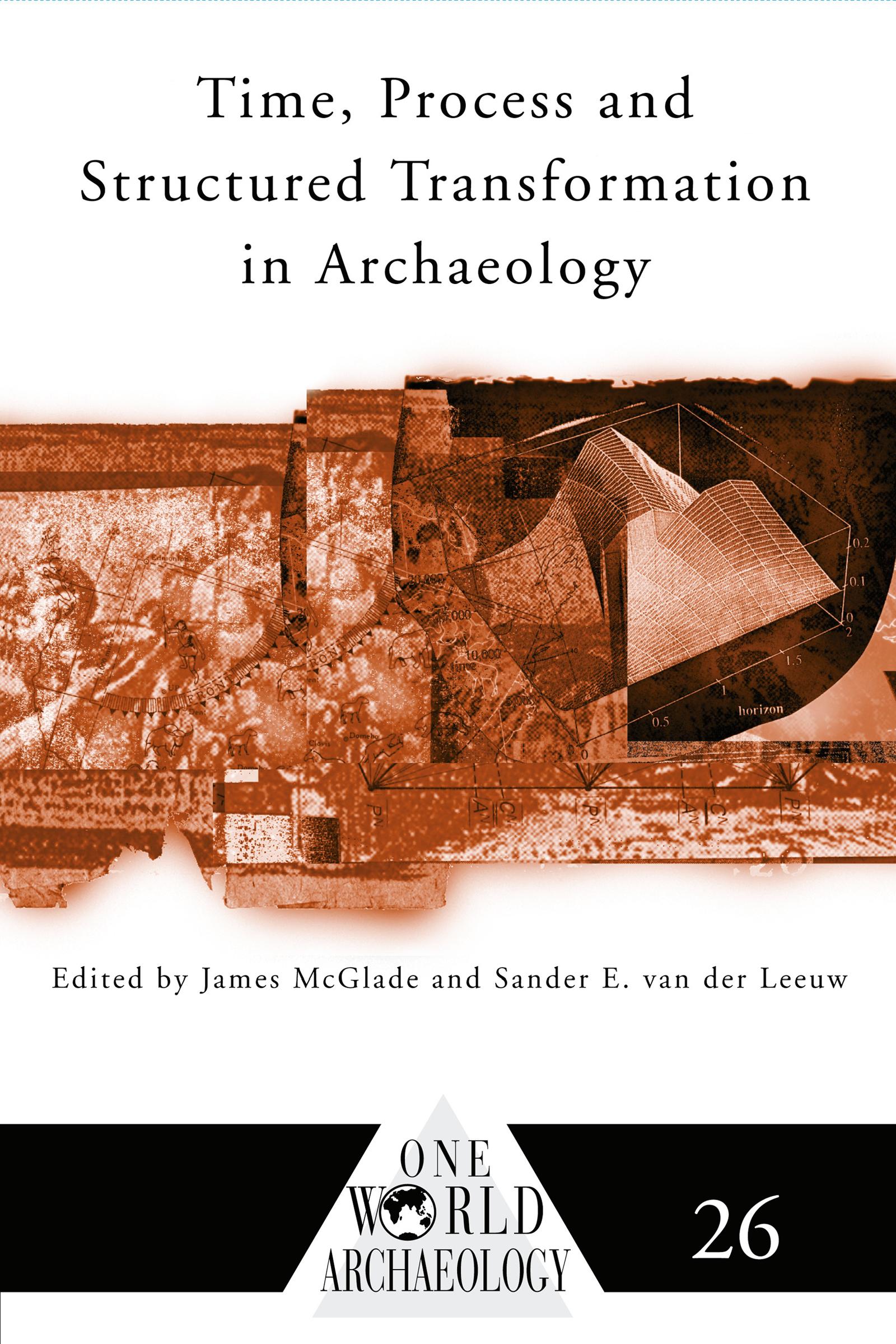
In a discipline which essentially studies how modern man came to be, it is remarkable that there are hardly any conceptual tools to describe change. This is due to the history of the western intellectual and scientific tradition, which for a long time favoured mechanics over dynamics, and the study of stability over that of change. Change was primarily deemed due to external events (in archaeology mainly climatic or 'environmental').
Revolutionary innovations in the natural and life sciences, often (erroneously) referred to as 'chaos theory', suggest that there are ways to overcome this problem. A wide range of processes can be described in terms of dynamic systems, and modern computing methods enable us to investigate many of their properties. This volume presents a cogent argument for the use of such approaches, and a discussion of a number of its aspects by a range of scientists from the humanities, social and natural sciences, and archaeology.
Paga fácilmente con tarjeta, Klarna, Apple Pay o Google Pay. ¿No estás contento? Siempre tienes 14 días de garantía de devolución. Lee más en nuestros términos. Si tienes preguntas, escríbenos a hello@memmo.org.
Memmo hace que estudiar sea más fácil, estés donde estés. Aquí tienes tus libros de texto y herramientas de estudio inteligentes en un solo lugar: resúmenes, quizzes, podcasts y flashcards. Y también a Ted, tu compañero de estudio que responde a todo lo que te preguntes. Más de 50 000 estudiantes ya estudian aquí. Está hecho para que aprendas más rápido y te estreses menos.
También te podría gustar
Comprar el libro0