
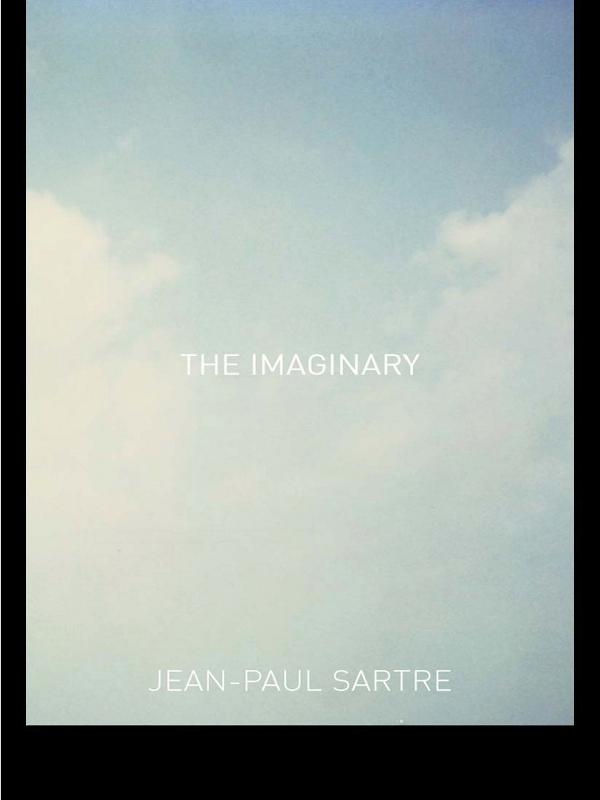
First published in 1940, Sartre's The Imaginary is a cornerstone of his philosophy. Sartre had become acquainted with the philosophy of Edmund Husserl in Berlin and was fascinated by his idea of the intentionality of consciousness as a key to the puzzle of existence.
Against this background, The Imaginary crystallized Sartre's worldview and artistic vision. Here he presented the first extended examination of the concepts of nothingness and freedom, both of which are derived from the ability of consciousness to imagine objects both as they are and as they are not. These ideas would drive Sartre's existentialism and his entire theory of human freedom, laying the foundation for his masterwork Being and Nothingness three years later. This new translation by Jonathan Webber rectifies flaws in the terminology of the first translation and recaptures the essence of Sartre's phenomenology. Webber's perceptive new introduction helps to decipher this challenging, seminal work, placing it in the context of the author's work and the history of philosophy.
Paga fácilmente con tarjeta, Klarna, Apple Pay o Google Pay. ¿No estás contento? Siempre tienes 14 días de garantía de devolución. Lee más en nuestros términos. Si tienes preguntas, escríbenos a hello@memmo.org.
Memmo hace que estudiar sea más fácil, estés donde estés. Aquí tienes tus libros de texto y herramientas de estudio inteligentes en un solo lugar: resúmenes, quizzes, podcasts y flashcards. Y también a Ted, tu compañero de estudio que responde a todo lo que te preguntes. Más de 50 000 estudiantes ya estudian aquí. Está hecho para que aprendas más rápido y te estreses menos.