
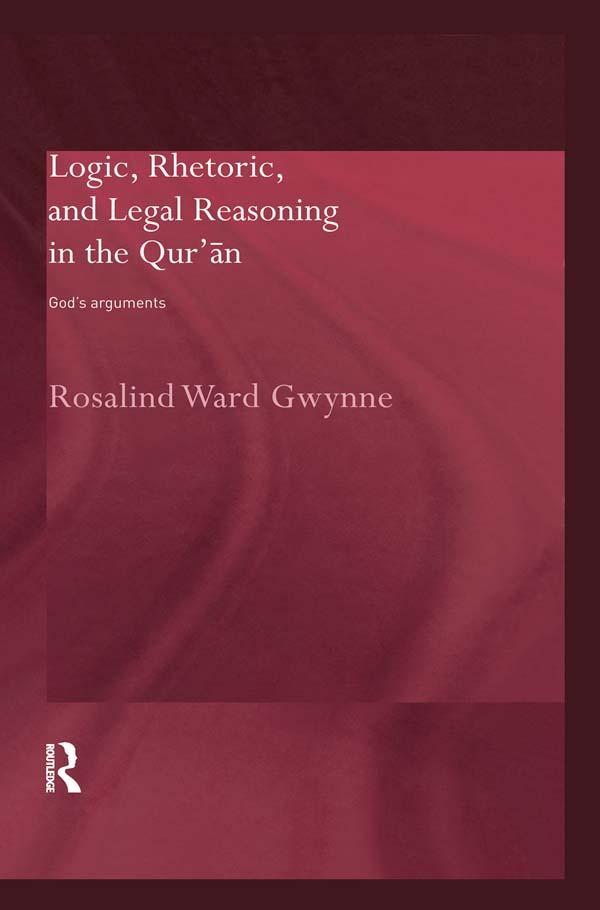
Muslims have always used verses from the Qur'an to support opinions on law, theology, or life in general, but almost no attention has been paid to how the Qur'an presents its own precepts as conclusions proceeding from reasoned arguments. Whether it is a question of God's powers of creation, the rationale for his acts, or how people are to think clearly about their lives and fates, Muslims have so internalized Qur'anic patterns of reasoning that many will assert that the Qur'an appeals first of all to the human powers of intellect. This book provides a new key to both the Qur'an and Islamic intellectual history. Examining Qur'anic argument by form and not content helps readers to discover the significance of passages often ignored by the scholar who compares texts and the believer who focuses upon commandments, as it allows scholars of Qur'anic exegesis, Islamic theology, philosophy, and law to tie their findings in yet another way to the text that Muslims consider the speech of God.
Paga fácilmente con tarjeta, Klarna, Apple Pay o Google Pay. ¿No estás contento? Siempre tienes 14 días de garantía de devolución. Lee más en nuestros términos. Si tienes preguntas, escríbenos a hello@memmo.org.
Memmo hace que estudiar sea más fácil, estés donde estés. Aquí tienes tus libros de texto y herramientas de estudio inteligentes en un solo lugar: resúmenes, quizzes, podcasts y flashcards. Y también a Ted, tu compañero de estudio que responde a todo lo que te preguntes. Más de 50 000 estudiantes ya estudian aquí. Está hecho para que aprendas más rápido y te estreses menos.
También te podría gustar
Comprar el libro0