
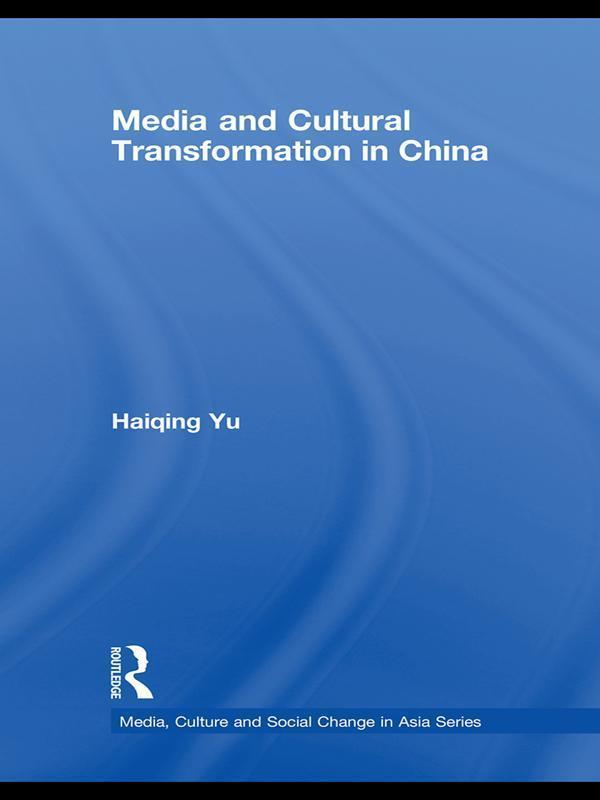
This book examines the role played by the media in China’s cultural transformation in the early years of the 21st century. In contrast to the traditional view that sees the Chinese media as nothing more than a tool of communist propaganda, it demonstrates that the media is integral to China’s changing culture in the age of globalization, whilst also being part and parcel of the State and its project of re-imagining national identity that is essential to the post-socialist reform agenda. It describes how the Party-state can effectively use media events to pull social, cultural and political resources and forces together in the name of national rejuvenation. However, it also illustrates how non-state actors can also use reporting of media events to dispute official narratives and advance their own interests and perspectives. It discusses the implications of this interplay between state and non-state actors in the Chinese media for conceptions of identity, citizenship and ethics, identifying the areas of mutual accommodation and appropriation, as well as those of conflict and contestation. It explores these themes with detailed analysis of four important ‘media spectacles’: the media events surrounding the new millennium celebrations; the news reporting of SARS; the media stories about AIDS and SARS; and the media campaign war between the Chinese state and the Falun Gong movement.
Paga fácilmente con tarjeta, Klarna, Apple Pay o Google Pay. ¿No estás contento? Siempre tienes 14 días de garantía de devolución. Lee más en nuestros términos. Si tienes preguntas, escríbenos a hello@memmo.org.
Memmo hace que estudiar sea más fácil, estés donde estés. Aquí tienes tus libros de texto y herramientas de estudio inteligentes en un solo lugar: resúmenes, quizzes, podcasts y flashcards. Y también a Ted, tu compañero de estudio que responde a todo lo que te preguntes. Más de 50 000 estudiantes ya estudian aquí. Está hecho para que aprendas más rápido y te estreses menos.