
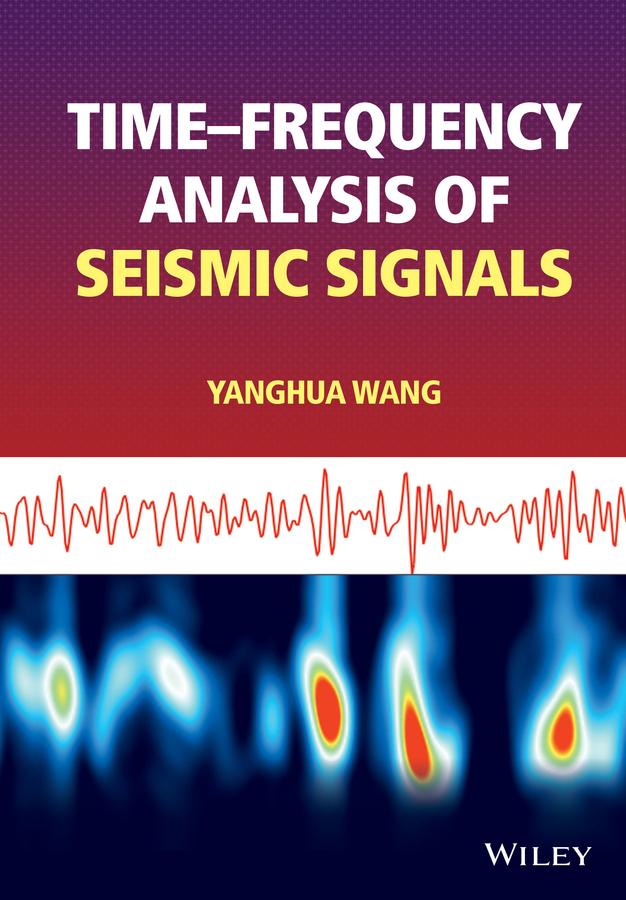
A practical and insightful discussion of time-frequency analysis methods and technologies
Time–frequency analysis of seismic signals aims to reveal the local properties of nonstationary signals. The local properties, such as time-period, frequency, and spectral content, vary with time, and the time of a seismic signal is a proxy of geologic depth. Therefore, the time–frequency spectrum is composed of the frequency spectra that are generated by using the classic Fourier transform at different time positions.
Different time–frequency analysis methods are distinguished in the construction of the local kernel prior to using the Fourier transform. Based on the difference in constructing the Fourier transform kernel, this book categorises time–frequency analysis methods into two groups: Gabor transform-type methods and energy density distribution methods.
This book systematically presents time–frequency analysis methods, including technologies which have not been previously discussed in print or in which the author has been instrumental in developing. In the presentation of each method, the fundamental theory and mathematical concepts are summarised, with an emphasis on the engineering aspects.
This book also provides a practical guide to geophysicists who attempt to generate geophysically meaningful time–frequency spectra, who attempt to process seismic data with time-dependent operations for the fidelity of nonstationary signals, and who attempt to exploit the time–frequency space seismic attributes for quantitative characterisation of hydrocarbon reservoirs.
Paga fácilmente con tarjeta, Klarna, Apple Pay o Google Pay. ¿No estás contento? Siempre tienes 14 días de garantía de devolución. Lee más en nuestros términos. Si tienes preguntas, escríbenos a hello@memmo.org.
Memmo hace que estudiar sea más fácil, estés donde estés. Aquí tienes tus libros de texto y herramientas de estudio inteligentes en un solo lugar: resúmenes, quizzes, podcasts y flashcards. Y también a Ted, tu compañero de estudio que responde a todo lo que te preguntes. Más de 50 000 estudiantes ya estudian aquí. Está hecho para que aprendas más rápido y te estreses menos.