
Calcific aortic stenosis (AS) is the most common heart valve anomaly, with a largely age-dependent prevalence, a calculated annual incidence rate in the range of 4-5% in general populations and up to 6% in patients aged 75 years and over.
Surgical aortic valve replacement (SAVR) was previously the only option available to patients with symptomatic, severe aortic stenosis. After the first-in-human transcatheter aortic valve implantation (TAVI) was performed by Alain Cribier in 2002, the treatment strategy for patients with symptomatic AS has been revolutionized. Since then, TAVI has grown exponentially, as a result of accruing evidence demonstrating safety and efficacy, and reduced invasiveness compared with SAVR. TAVI devices are continuously expanding to include several valve design options. As this strategy is continuously evolving to treat younger patients and lower-risk populations, aside from the long-term durability of the valve systems, procedural safety will become the focus of newer-generation devices.
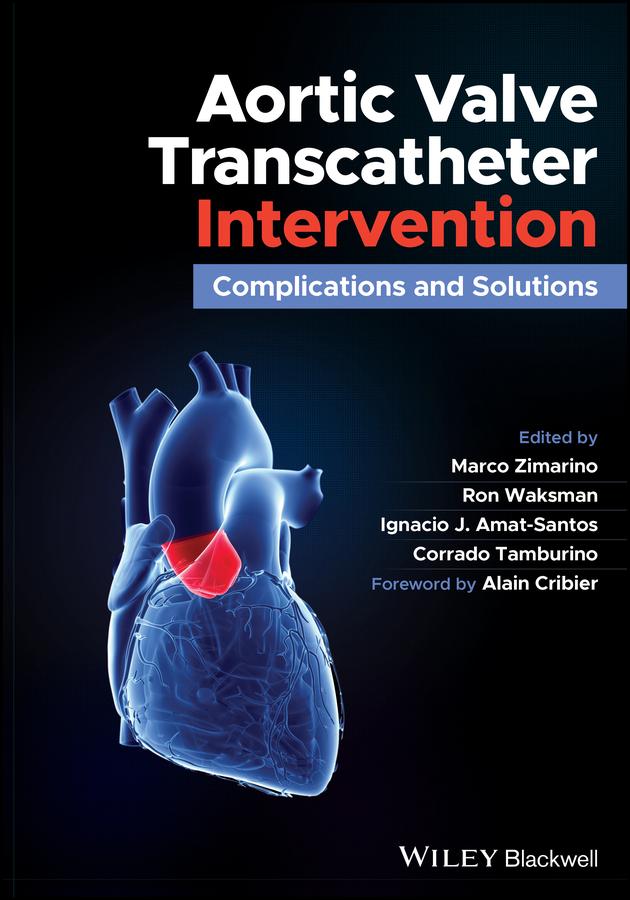
This book is a practical handbook devoted to the optimization of TAVI procedures, through a focused containment of complications. Through an integrated evaluation of the clinical status, imaging techniques and laboratory findings, the authors provide readers with clear messages on preventive and therapeutic recommendations.
Paga fácilmente con tarjeta, Klarna, Apple Pay o Google Pay. ¿No estás contento? Siempre tienes 14 días de garantía de devolución. Lee más en nuestros términos. Si tienes preguntas, escríbenos a hello@memmo.org.
Memmo hace que estudiar sea más fácil, estés donde estés. Aquí tienes tus libros de texto y herramientas de estudio inteligentes en un solo lugar: resúmenes, quizzes, podcasts y flashcards. Y también a Ted, tu compañero de estudio que responde a todo lo que te preguntes. Más de 50 000 estudiantes ya estudian aquí. Está hecho para que aprendas más rápido y te estreses menos.