
Stephen Spotte, Mote Marine Laboratory, Sarasota, Florida, USA
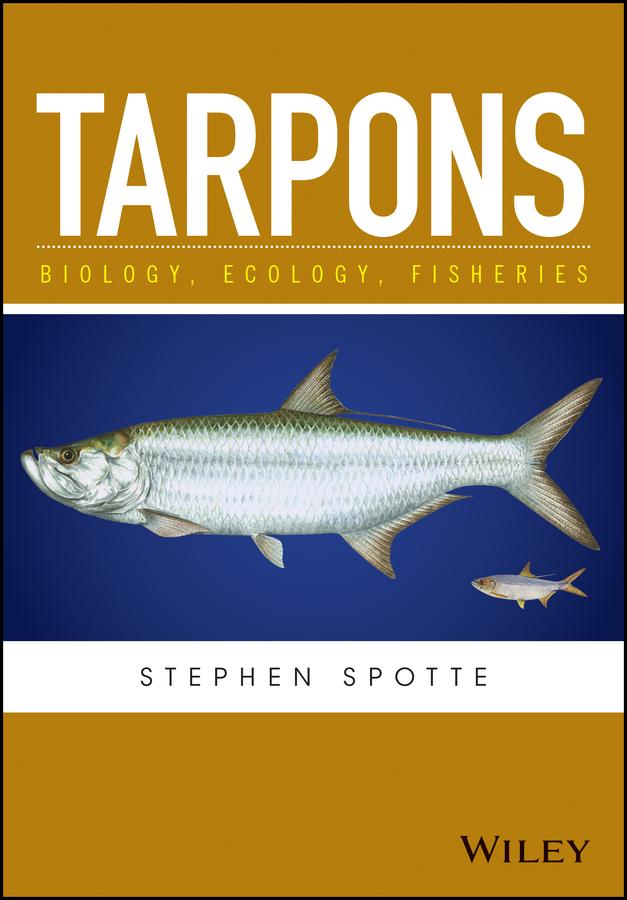
Tarpons arose from an ancient lineage, and just two species exist today, confined to the tropics and subtropics: Megalops atlanticus in the western and eastern Atlantic and Megalops cyprinoides distributed widely across the Indo-West Pacific. The Atlantic tarpon is considered king of the saltwater sport fishes and supports a multi-billion dollar recreational fishery in the U.S. alone. The Pacific tarpon, which is much smaller, is less valued by anglers. Both have limited commercial value but offer considerable potential for future aquaculture because of their hardiness, rapid growth, and ease of adaptation to captivity.
This book is the latest and most thorough text on the biology, ecology, and fisheries (sport and commercial) of tarpons. The chapters comprise clear, intricate discourses on such subjects as early development and metamorphosis, population genetics, anatomical and physiological features and adaptations, migrations, reproductive biology, and culminate with a concise overview of the world's tarpon fisheries. A comprehensive appendix includes Spotte's original translations of important papers published previously by others in Spanish and Portuguese and unavailable until now to English readers.
Tarpons: Biology, Ecology, Fisheries will be of considerable interest and use to fishery and research biologists, marine conservationists, aquaculturists, and informed anglers
Paga fácilmente con tarjeta, Klarna, Apple Pay o Google Pay. ¿No estás contento? Siempre tienes 14 días de garantía de devolución. Lee más en nuestros términos. Si tienes preguntas, escríbenos a hello@memmo.org.
Memmo hace que estudiar sea más fácil, estés donde estés. Aquí tienes tus libros de texto y herramientas de estudio inteligentes en un solo lugar: resúmenes, quizzes, podcasts y flashcards. Y también a Ted, tu compañero de estudio que responde a todo lo que te preguntes. Más de 50 000 estudiantes ya estudian aquí. Está hecho para que aprendas más rápido y te estreses menos.