
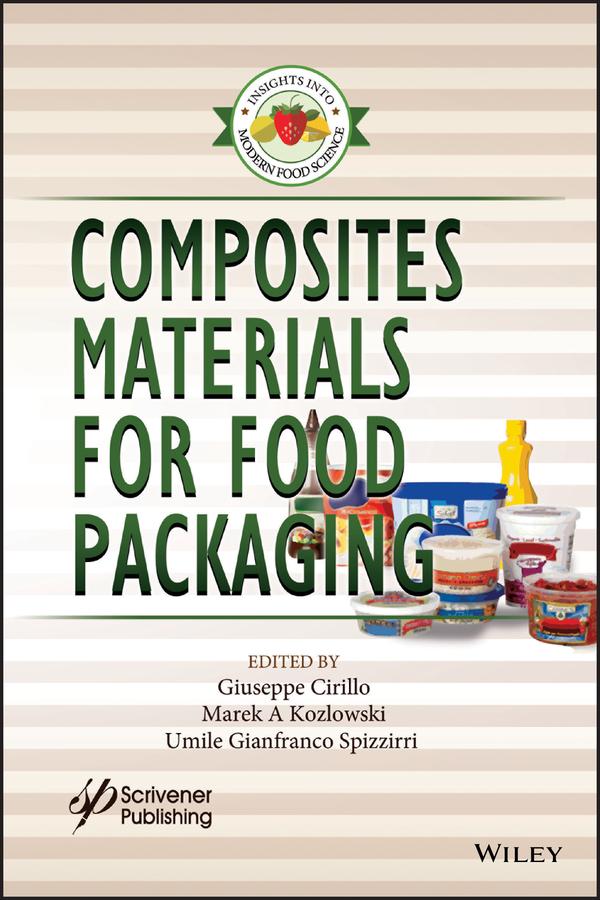
The novel insights, as well as the main drawbacks of each engineered composites material is extensively evaluated taking into account the strong relationship between packaging materials, environmental and reusability concerns, food quality, and nutritional value.
Composites, by matching the properties of different components, allow the development of innovative and performing strategies for intelligent food packaging, thus overcoming the limitations of using only a single material.
The book starts with the description of montmorillonite and halloysite composites, subsequently moving to metal-based materials with special emphasis on silver, zinc, silicium and iron. After the discussion about how the biological influences of such materials can affect the performance of packaging, the investigation of superior properties of sp2 carbon nanostructures is reported. Here, carbon nanotubes and graphene are described as starting points for the preparation of highly engineered composites able to promote the enhancement of shelf-life by virtue of their mechanical and electrical features.
Finally, in the effort to find innovative composites, the applicability of biodegradable materials from both natural (e.g. cellulose) and synthetic (e.g. polylactic acid – PLA) origins, with the aim to prove that polymer-based materials can overcome some key limitations such as environmental impact and waste disposal.
Paga fácilmente con tarjeta, Klarna, Apple Pay o Google Pay. ¿No estás contento? Siempre tienes 14 días de garantía de devolución. Lee más en nuestros términos. Si tienes preguntas, escríbenos a hello@memmo.org.
Memmo hace que estudiar sea más fácil, estés donde estés. Aquí tienes tus libros de texto y herramientas de estudio inteligentes en un solo lugar: resúmenes, quizzes, podcasts y flashcards. Y también a Ted, tu compañero de estudio que responde a todo lo que te preguntes. Más de 50 000 estudiantes ya estudian aquí. Está hecho para que aprendas más rápido y te estreses menos.