
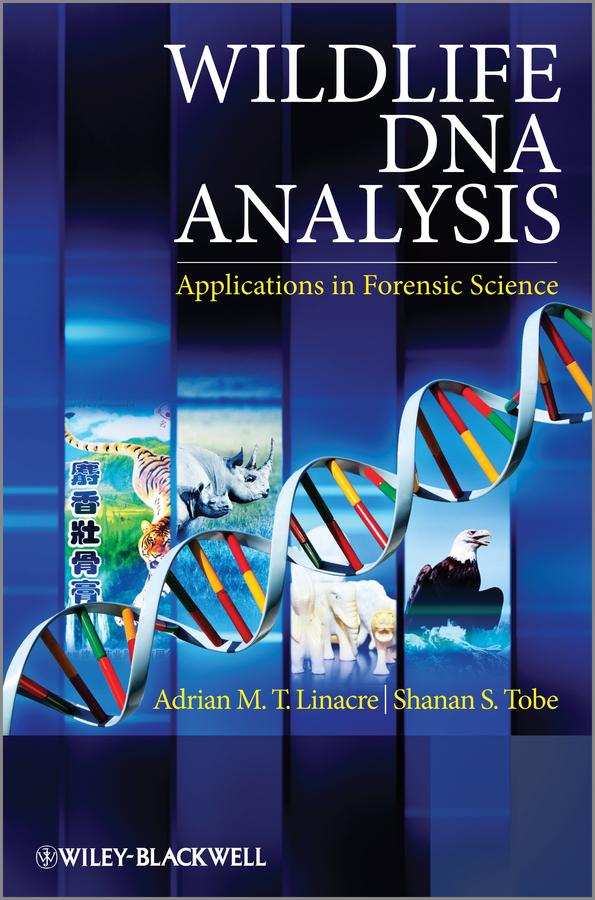
Clearly structured throughout, the introduction highlights the different types of crime where these techniques are regularly used. This chapter includes a discussion as to who performs forensic wildlife examinations, the standardisation and validation of methods, and the role of the expert witness in this type of alleged crime. This is followed by a detailed section on the science behind DNA typing including the problems in isolating DNA from trace material and subsequent genetic analysis are also covered. The book then undertakes a comprehensive review of species testing using DNA, including a step-by-step guide to sequence comparisons. A comparison of the different markers used in species testing highlights the criteria for a genetic marker. A full set of case histories illustrates the use of the different markers used. The book details the use of genetic markers to link two or more hairs/feather/leaves/needles to the same individual organism and the software used in population assignment. The problems and possibilities in isolating markers, along with the construction of allele databases are discussed in this chapter. The book concludes with evaluation and reporting of genetic evidence in wildlife forensic science illustrated by examples of witness statements.
Paga fácilmente con tarjeta, Klarna, Apple Pay o Google Pay. ¿No estás contento? Siempre tienes 14 días de garantía de devolución. Lee más en nuestros términos. Si tienes preguntas, escríbenos a hello@memmo.org.
Memmo hace que estudiar sea más fácil, estés donde estés. Aquí tienes tus libros de texto y herramientas de estudio inteligentes en un solo lugar: resúmenes, quizzes, podcasts y flashcards. Y también a Ted, tu compañero de estudio que responde a todo lo que te preguntes. Más de 50 000 estudiantes ya estudian aquí. Está hecho para que aprendas más rápido y te estreses menos.