
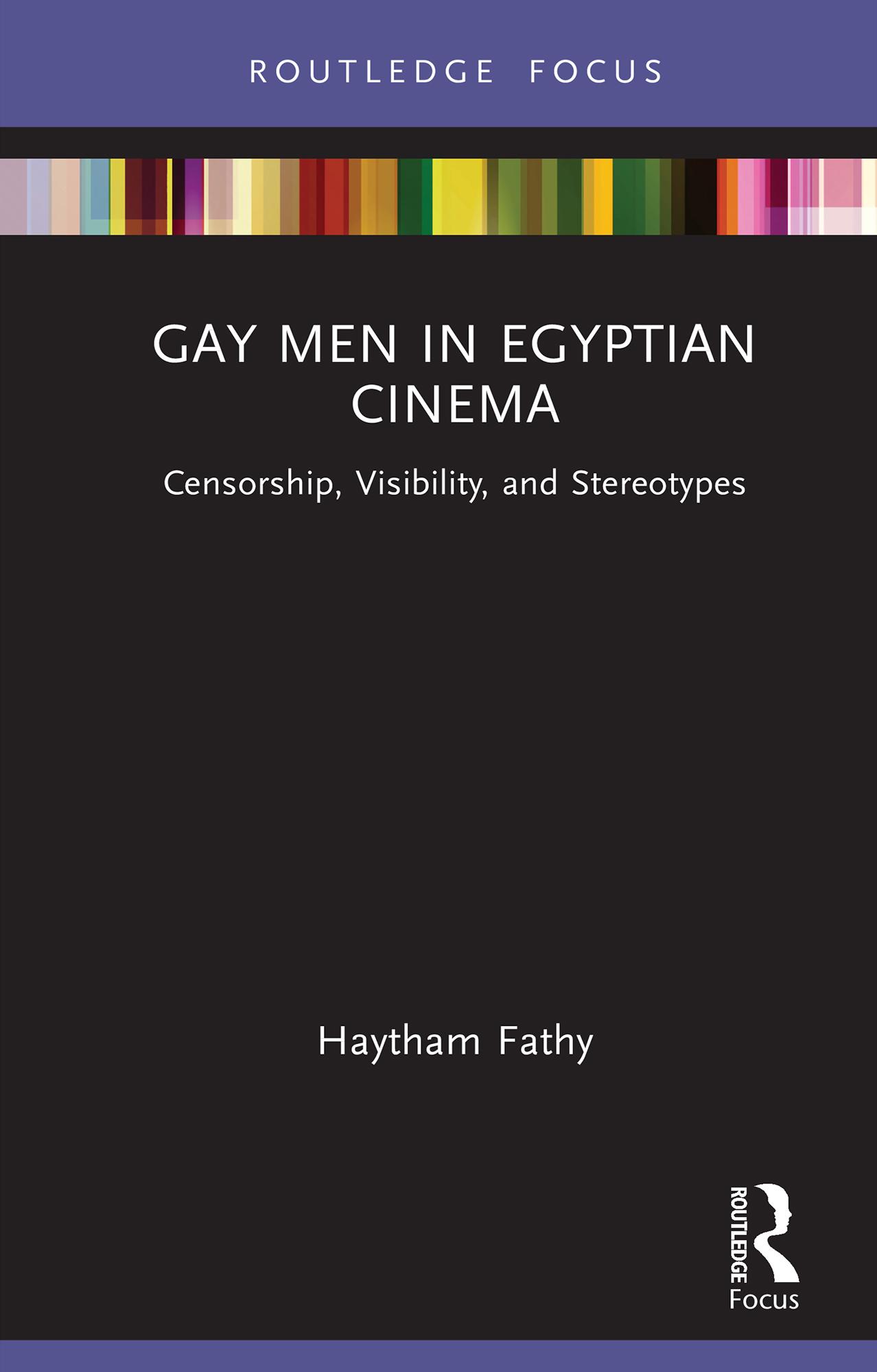
This book offers the first comprehensive study of the representation of gay men in Egyptian cinema, tracing how these portrayals have emerged, shifted, and been contested across different historical and political moments.
Through close analysis of several key films, it examines how gay male characters are frequently framed through harmful stereotypes—depicted as mentally unstable, socially deviant, or as products of so-called Western decadence. Such representations often erase complexity, reducing queer figures to symbolic threats within broader narratives of moral panic and national anxiety. While state censorship remains a significant force shaping these depictions, the book highlights that it is not the sole factor. Drawing on interviews with Egyptian filmmakers, writers, and cultural critics, the author explores how creative decisions are negotiated amid intersecting pressures of social norms, commercial demands, institutional regulation, and personal ideology. By examining how cinema both reflects and shapes public discourse on gender, sexuality, and national identity, the book sheds light on the evolving boundaries of representation, censorship, and cultural belonging in Egypt and beyond.
Situated at the intersection of film studies, queer theory, and Arab cultural studies, this work fills a significant gap in existing scholarship and contributes to the growing field of queer Arab studies. It will be of interest to scholars and students of film and media studies, queer studies, Middle Eastern studies, and postcolonial cultural criticism.
Paga fácilmente con tarjeta, Klarna, Apple Pay o Google Pay. ¿No estás contento? Siempre tienes 14 días de garantía de devolución. Lee más en nuestros términos. Si tienes preguntas, escríbenos a hello@memmo.org.
Memmo hace que estudiar sea más fácil, estés donde estés. Aquí tienes tus libros de texto y herramientas de estudio inteligentes en un solo lugar: resúmenes, quizzes, podcasts y flashcards. Y también a Ted, tu compañero de estudio que responde a todo lo que te preguntes. Más de 50 000 estudiantes ya estudian aquí. Está hecho para que aprendas más rápido y te estreses menos.