
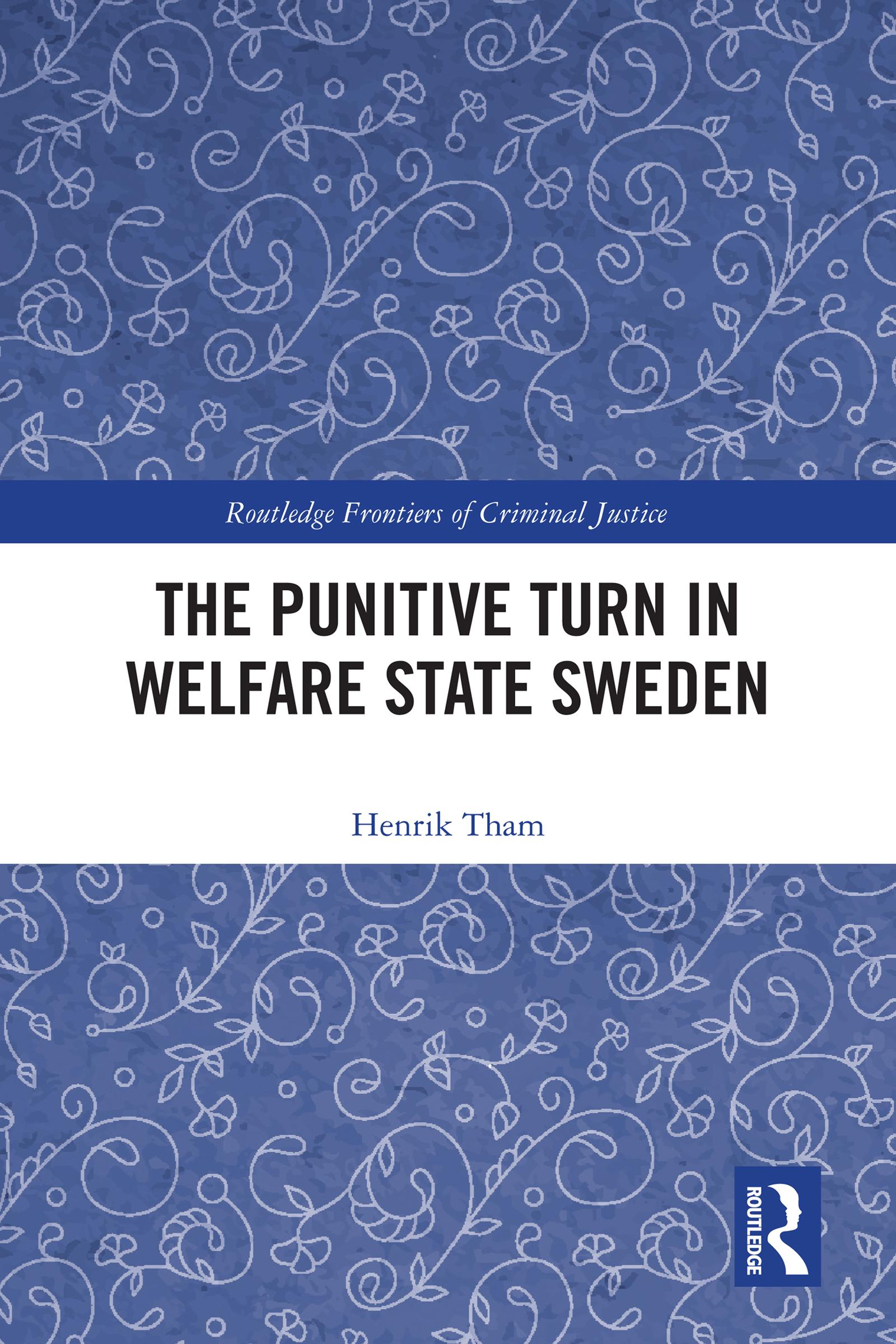
This analysis of the Swedish criminal system makes sense of a markedly punitive turn in policy despite the country’s relatively liberal approach. That Sweden, often considered the welfare state par excellence, should show a move towards punitiveness needs an explanation from the view of both criminology and criminal policy. The book explores how the politicization of criminal policy, the questioning of experts, the increasingly emotional orientation of politics, and the proactive policy all contribute to the development towards increased repression in criminal policy. The types of crime that are at the centre of the criminal policy debate - drugs, violence, and organized crime - also all contribute to these general trends, and are politically exploited and affected by a growing political populism. The author contends that the crime-reducing effects of the policy must be considered to be very limited, while the costs of the increased criminal and coercive legislation are becoming considerable, especially in the form of an increasing number of people in prison. This book is of interest to researchers and instructors focusing on the sociology of punishment as well as policymakers concerned with crime policy and prison development.
Paga fácilmente con tarjeta, Klarna, Apple Pay o Google Pay. ¿No estás contento? Siempre tienes 14 días de garantía de devolución. Lee más en nuestros términos. Si tienes preguntas, escríbenos a hello@memmo.org.
Memmo hace que estudiar sea más fácil, estés donde estés. Aquí tienes tus libros de texto y herramientas de estudio inteligentes en un solo lugar: resúmenes, quizzes, podcasts y flashcards. Y también a Ted, tu compañero de estudio que responde a todo lo que te preguntes. Más de 50 000 estudiantes ya estudian aquí. Está hecho para que aprendas más rápido y te estreses menos.