
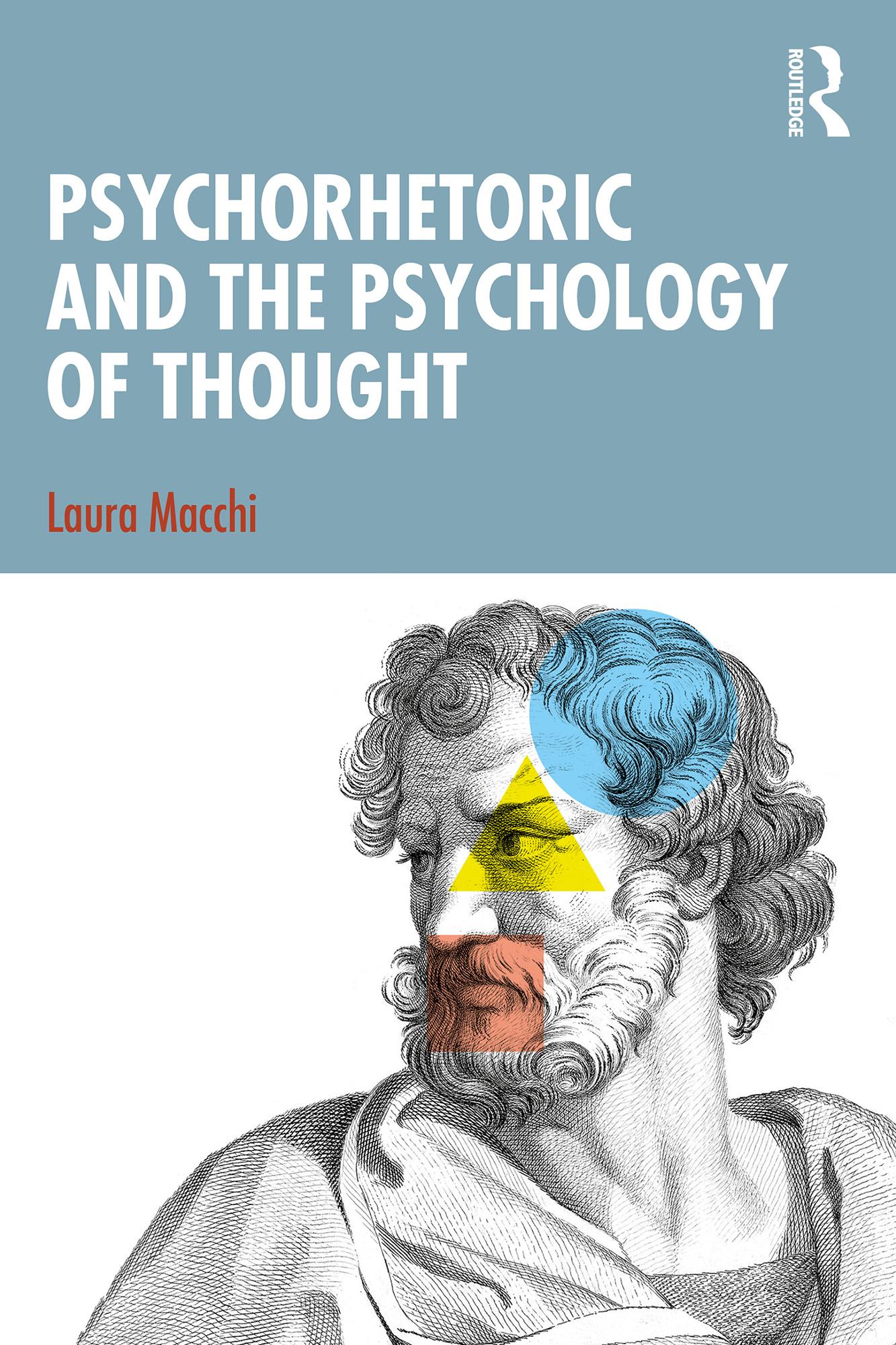
How can a particular way of argumenting direct our thinking? How does the formulation of a question influence the answer, producing a bias or an insight? And finally, what effect does public communication have on public behaviour?
Psychorhetoric and the Psychology of Thought illustrates the role played by rhetoric and communicative heuristics in the psychology of thinking and decision making, and its effect on many areas of our daily life. It gives voice to a new and unconventional approach to the contemporary debate within the psychology of thought that has wide implications for key behavioural phenomena, including biases, creativity, decision making, and public policy. This innovative work challenges conventional wisdom by proposing that cognitive biases are not inherent flaws in human cognition, but rather outcomes of misleading communication patterns that influence our thinking processes.
This unconventional approach to the psychology of thought has significant implications for creativity, decision making, economic behaviour, and public policy development. Essential reading for students and researchers in cognitive psychology, communication studies, and behavioural economics, this volume promises to reshape our understanding of human rationality and the communicative forces that guide it.
Paga fácilmente con tarjeta, Klarna, Apple Pay o Google Pay. ¿No estás contento? Siempre tienes 14 días de garantía de devolución. Lee más en nuestros términos. Si tienes preguntas, escríbenos a hello@memmo.org.
Memmo hace que estudiar sea más fácil, estés donde estés. Aquí tienes tus libros de texto y herramientas de estudio inteligentes en un solo lugar: resúmenes, quizzes, podcasts y flashcards. Y también a Ted, tu compañero de estudio que responde a todo lo que te preguntes. Más de 50 000 estudiantes ya estudian aquí. Está hecho para que aprendas más rápido y te estreses menos.