
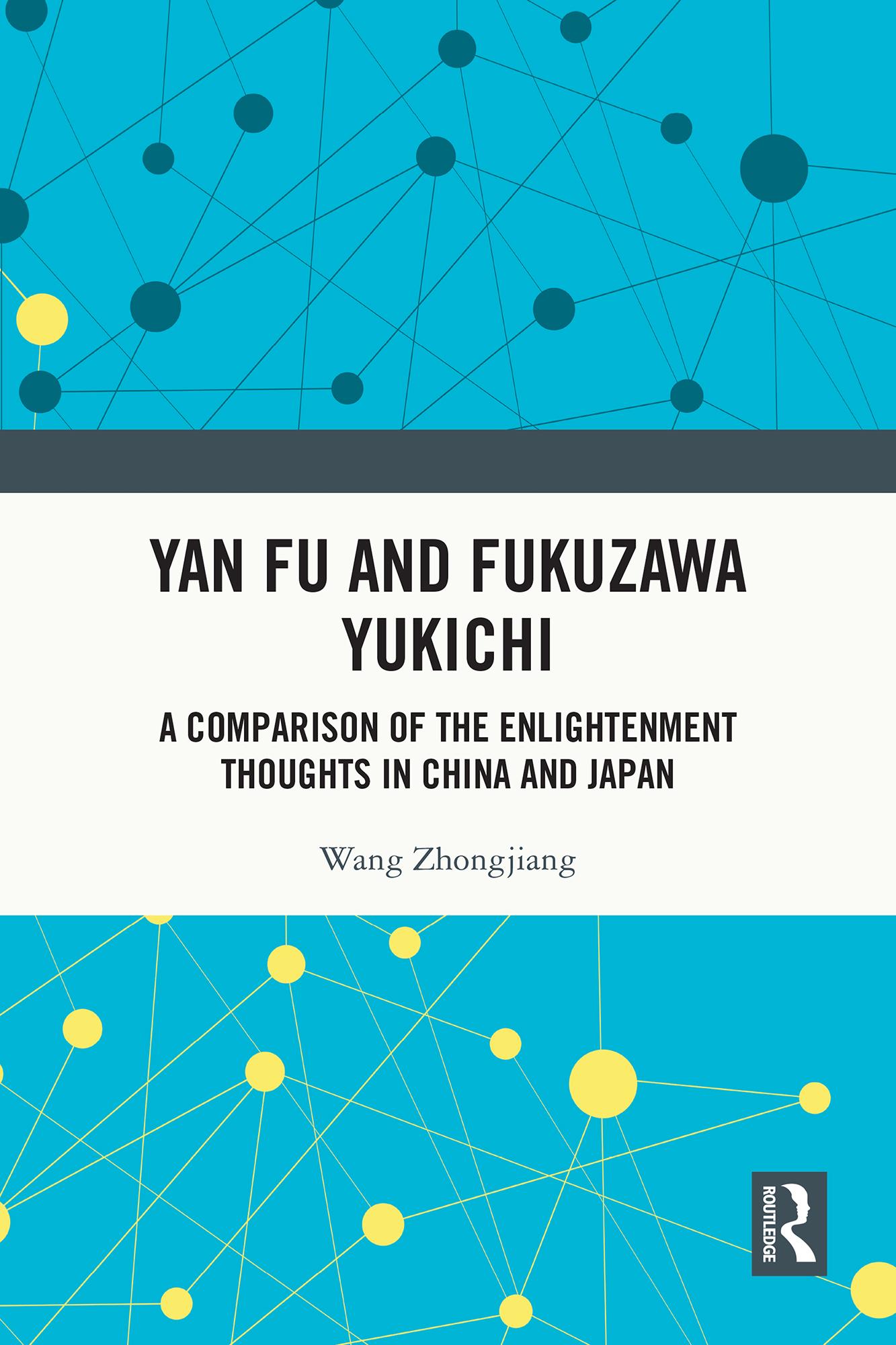
This book compares the enlightenment thought of China and Japan amid 19th-century Western imperialism, offering a groundbreaking analysis of how two iconic thinkers shaped their nations’ divergent paths to modernity.
Through 12 analytical chapters, the book explores how Yan Fu of China and Fukuzawa Yukichi of Japan navigated the paradox of tradition versus progress. Key themes include their contrasting approaches to Western science, political freedom, economic reform, and cultural identity, revealing why Japan embraced rapid modernization while China struggled. The work dissects critical frameworks such as “Chinese essence/Western application” versus “Japanese spirit/Western knowledge” and is enriched by an analysis of archival documents on their views on law, religion, education, and historical evolution. By juxtaposing closed-door policies of Ming/Qing China and Tokugawa Japan with post-collision transformations, it illuminates how enlightenment ideals fueled national survival.
This cross-cultural analysis is essential for historians, Asian studies scholars, and policymakers as it bridges philosophy, political science, and intellectual history. Librarians and educators will appreciate its relevance to debates on global modernization and ongoing cultural dialogues in East Asia.
Paga fácilmente con tarjeta, Klarna, Apple Pay o Google Pay. ¿No estás contento? Siempre tienes 14 días de garantía de devolución. Lee más en nuestros términos. Si tienes preguntas, escríbenos a hello@memmo.org.
Memmo hace que estudiar sea más fácil, estés donde estés. Aquí tienes tus libros de texto y herramientas de estudio inteligentes en un solo lugar: resúmenes, quizzes, podcasts y flashcards. Y también a Ted, tu compañero de estudio que responde a todo lo que te preguntes. Más de 50 000 estudiantes ya estudian aquí. Está hecho para que aprendas más rápido y te estreses menos.